Top Features of a Reliable Security System in New Zealand: Comprehensive Guide for 2024
Overview: Discover the essential features of a reliable security system in New Zealand for 2024. Learn about access control, CCTV, alar...

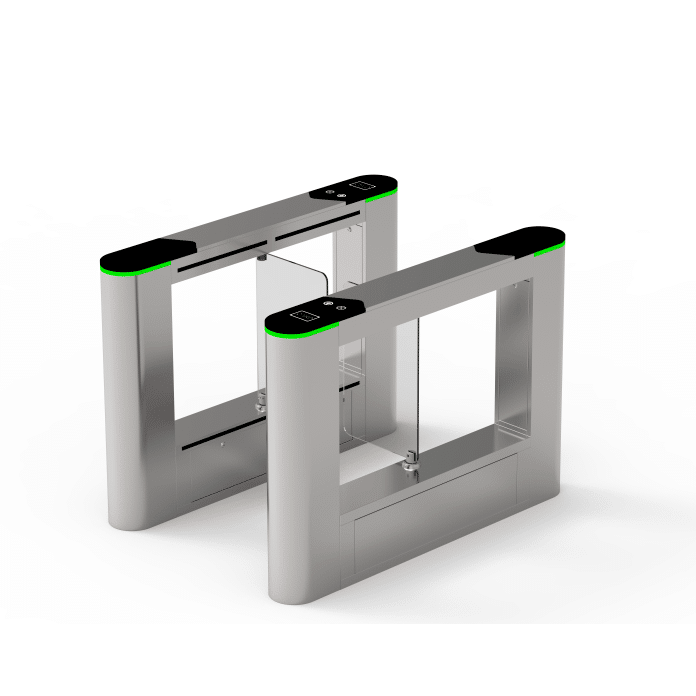
Are you looking for information on Turnstile Gates? Look no further! This comprehensive guide on turnstiles has got you covered with everything you need to know.
Turnstile gates are often used in places where controlling pedestrian access is essential. These systems manage foot traffic efficiently while enhancing security. Essentially, a turnstile gate serves as a physical barrier, allowing only authorized individuals to enter restricted areas. This makes it a vital part of modern access control.
In today’s environment, security is a priority for many organizations, and turnstile gates offer an effective way to track who enters and leaves a facility. They are used in a wide range of settings—from corporate offices to stadiums and public transport stations. Let's explore why turnstile gates are so important and how they work.
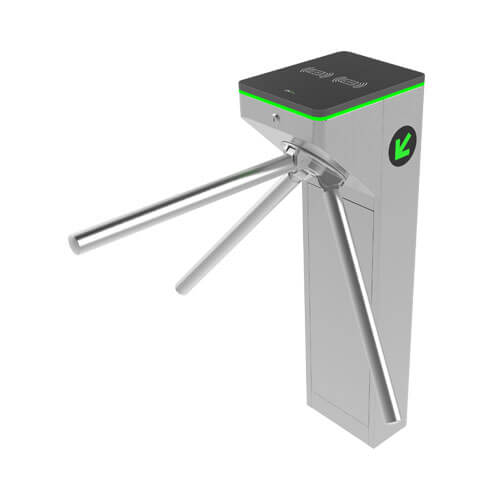
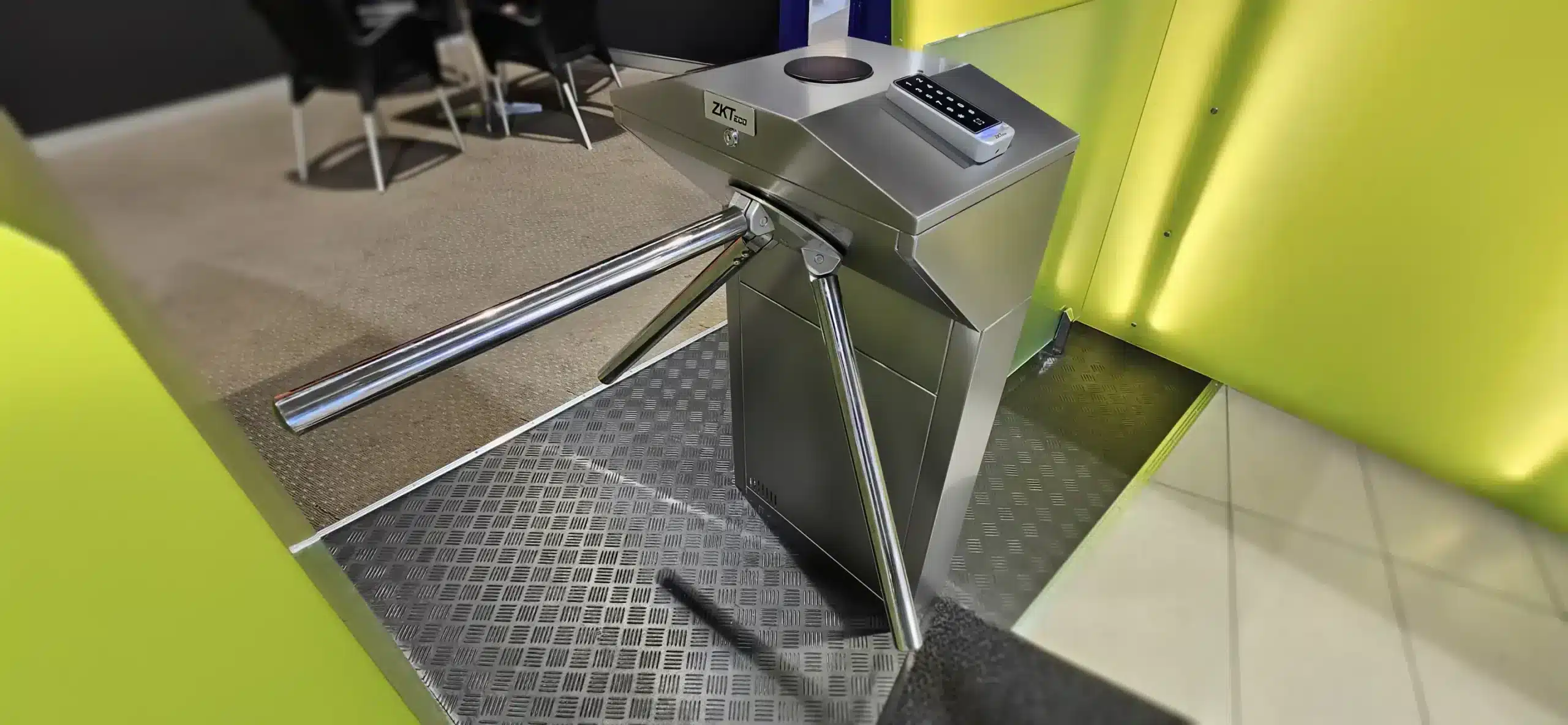
Waist-high turnstiles are one of the most familiar types of pedestrian barriers. They have rotating arms at waist height that allow one person to pass at a time once authorized. These are ideal for venues with limited space and moderate security needs.
Waist-high turnstiles are cost-effective and easy to install. They are great for places like gyms and public pools where quick access is needed, but security requirements aren't extreme.
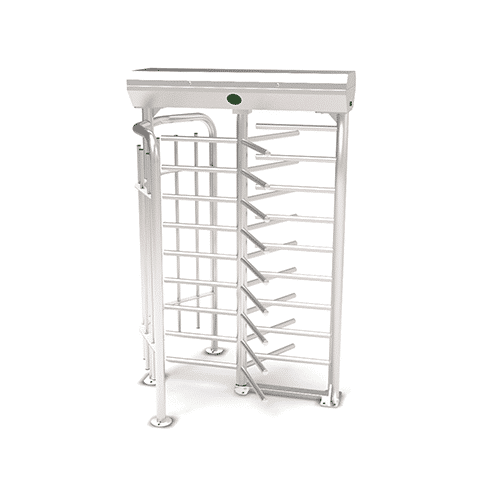
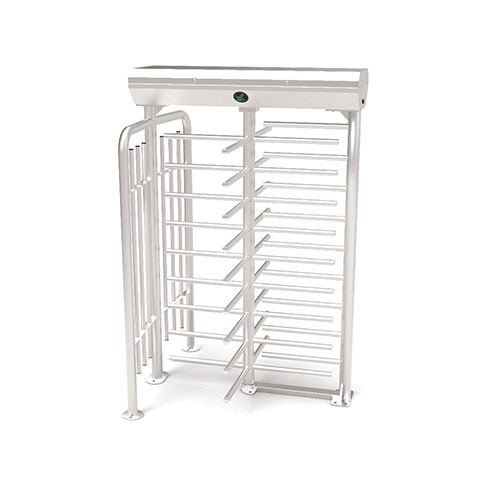
Full-height turnstiles resemble revolving doors and extend from floor to ceiling, offering a strong barrier. They are typically used in areas needing higher security to prevent tailgating.
These turnstiles are commonly found at stadiums, industrial facilities, and other high-security locations. Their height prevents unauthorized individuals from climbing over, providing robust security.
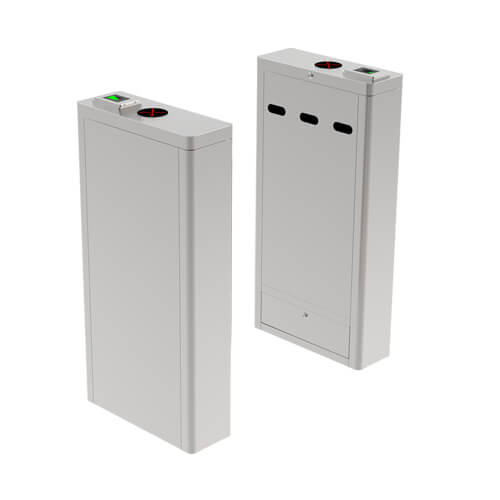
Optical turnstiles are modern and sleek, using sensors instead of physical barriers. They allow for smooth, controlled access and are suitable for high-end corporate offices.
Optical turnstiles use infrared sensors to detect unauthorized entry attempts without needing physical gates. They are ideal for places that prioritize aesthetics and a premium user experience.
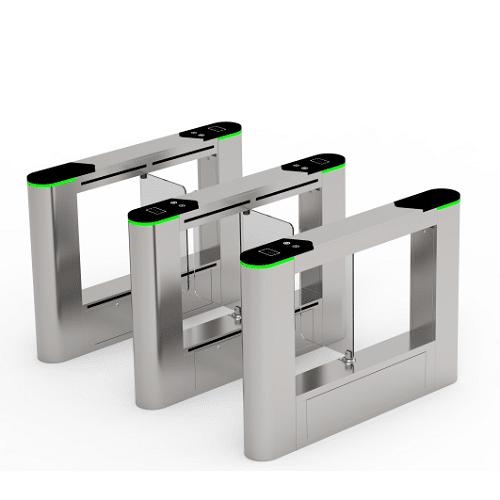
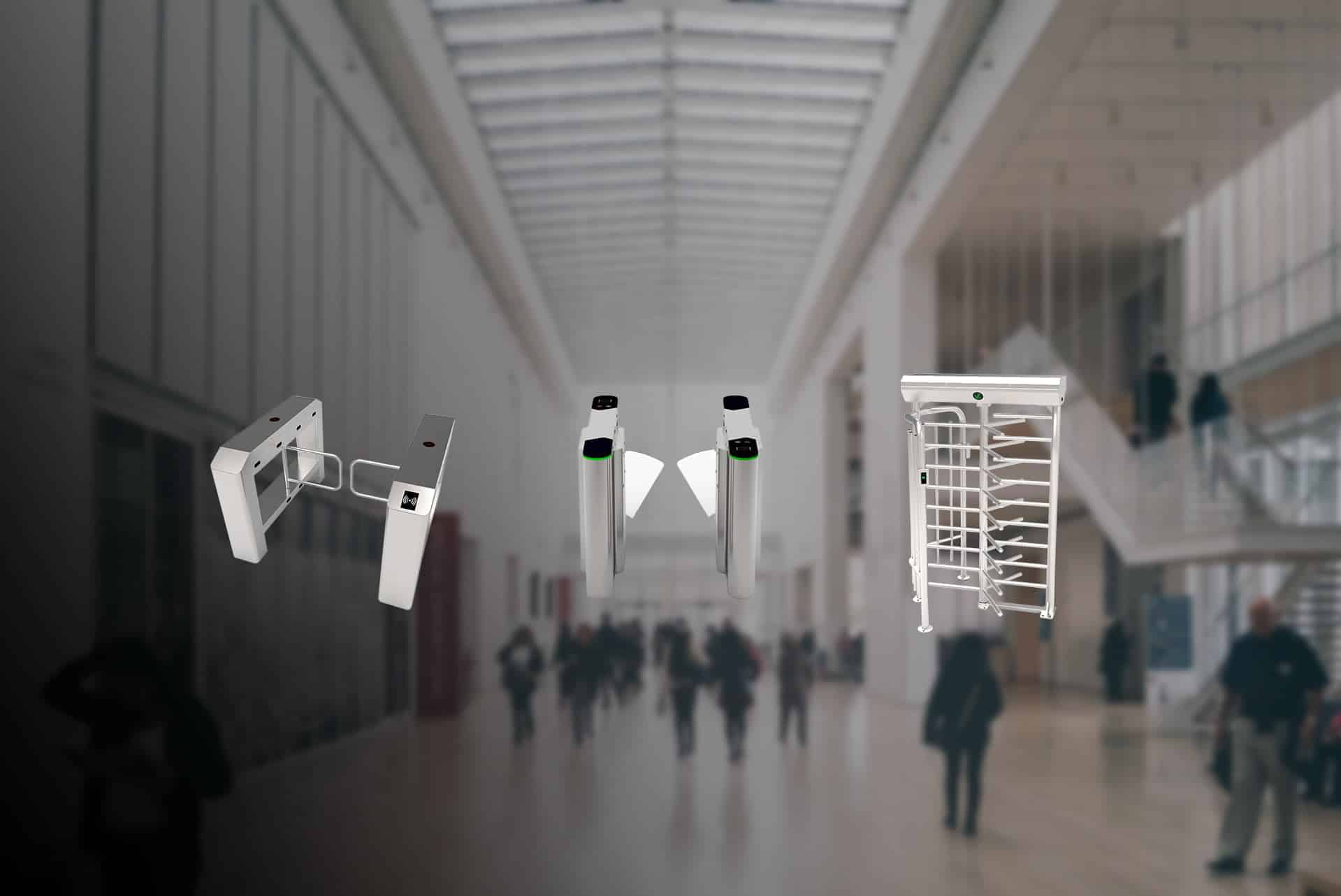
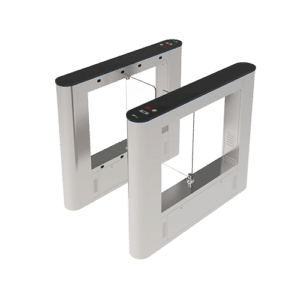
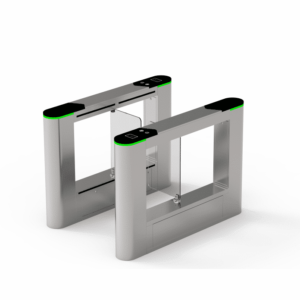
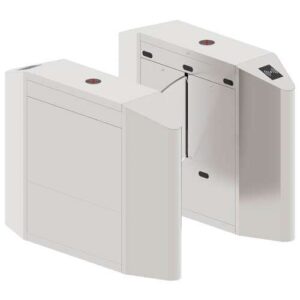
Speed Gates are designed to balance speed and security. They allow quick entry but still provide a level of control. In the industry, speed gate turnstiles are often referred to by different names, such as Swing Barriers or Flap Barriers. Though these gates are waist-height, they operate differently compared to tripod-type turnstiles.
Speed Gates can feature either Swing Barriers or Flap Barriers. Swing Barriers use rotating panels to allow or restrict access, while Flap Barriers use retractable flaps that move in and out of place. Both types are efficient for managing pedestrian flow but work differently from the mechanical arms of Tripod Turnstiles. Speed gates are ideal for high-traffic areas where both security and fast throughput are required, such as office lobbies or metro stations. They feature retractable barriers that open quickly after verifying credentials, providing a smooth, controlled entry experience.
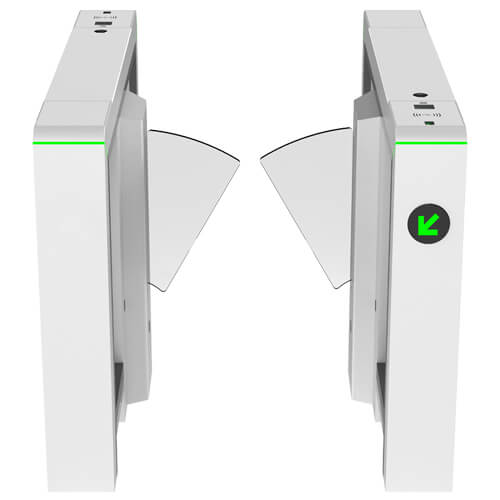
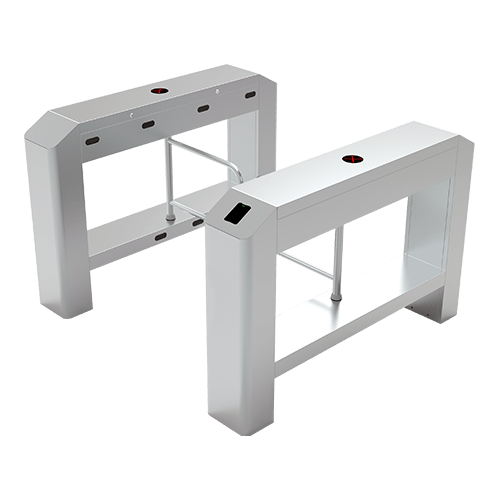
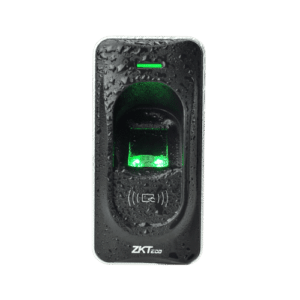
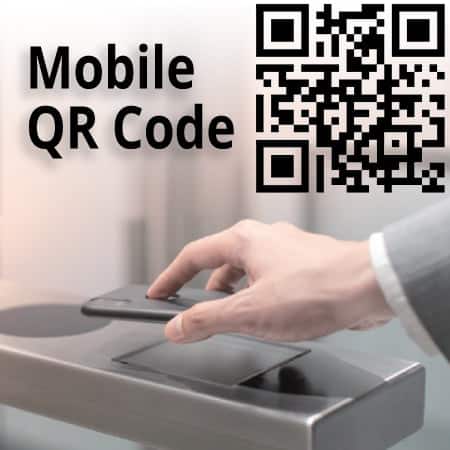
Modern turnstile systems integrate with various access methods like RFID cards, biometric systems, and mobile apps. This ensures only authorized people can pass through.
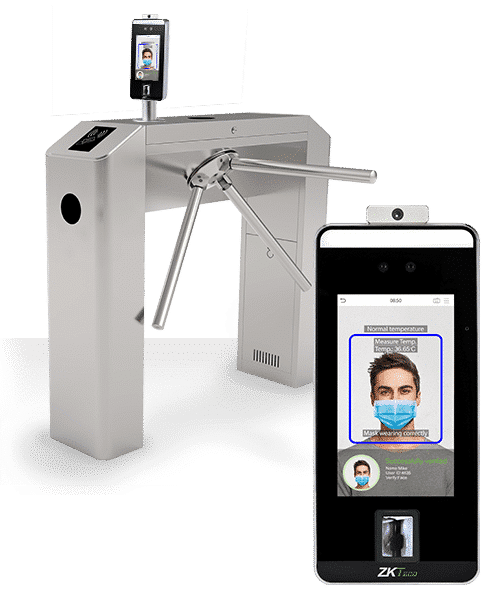
RFID cards are common for employee access, while biometric systems add security by using fingerprints, facial recognition, or iris scans.

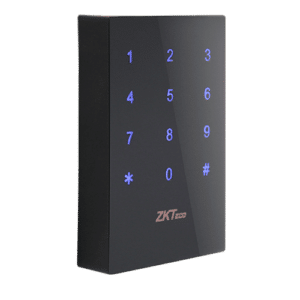


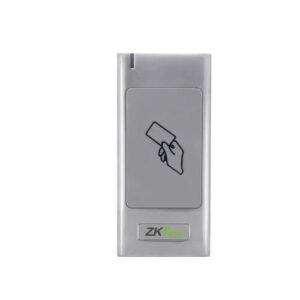
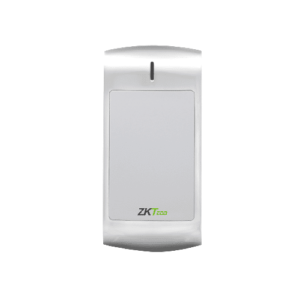
Turnstile gates are built from stainless steel or durable aluminium to ensure longevity and resist both vandalism and weather. This makes them suitable for indoor and outdoor use.
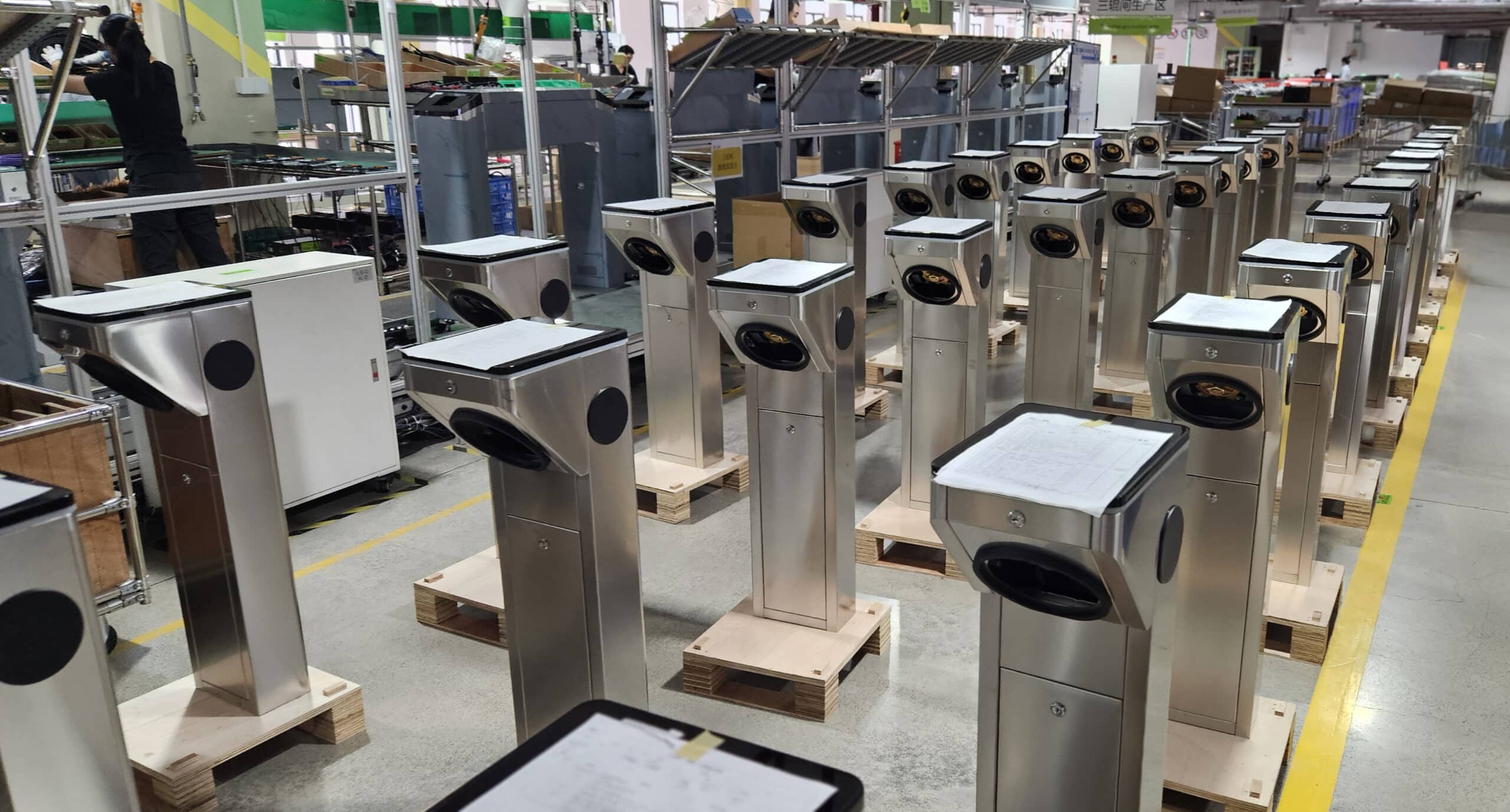
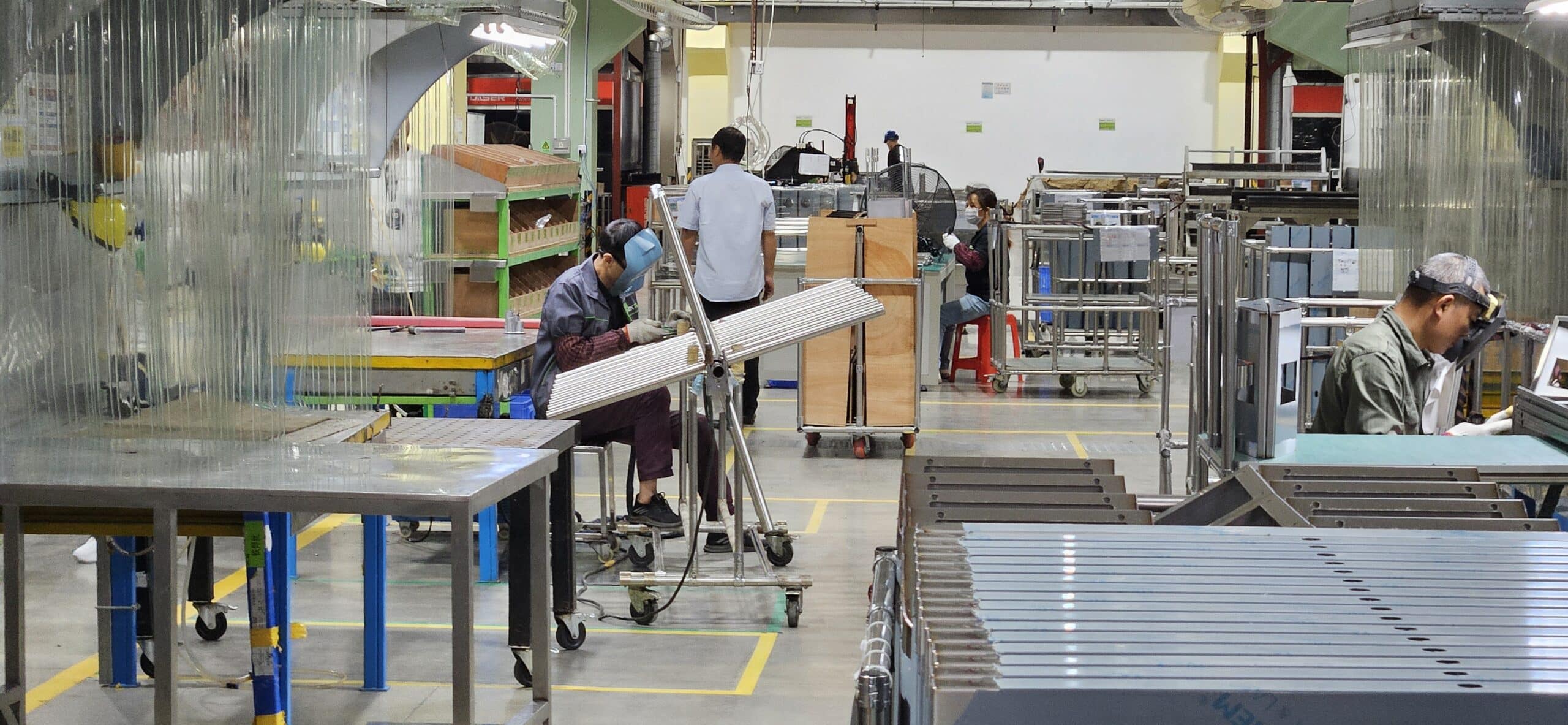
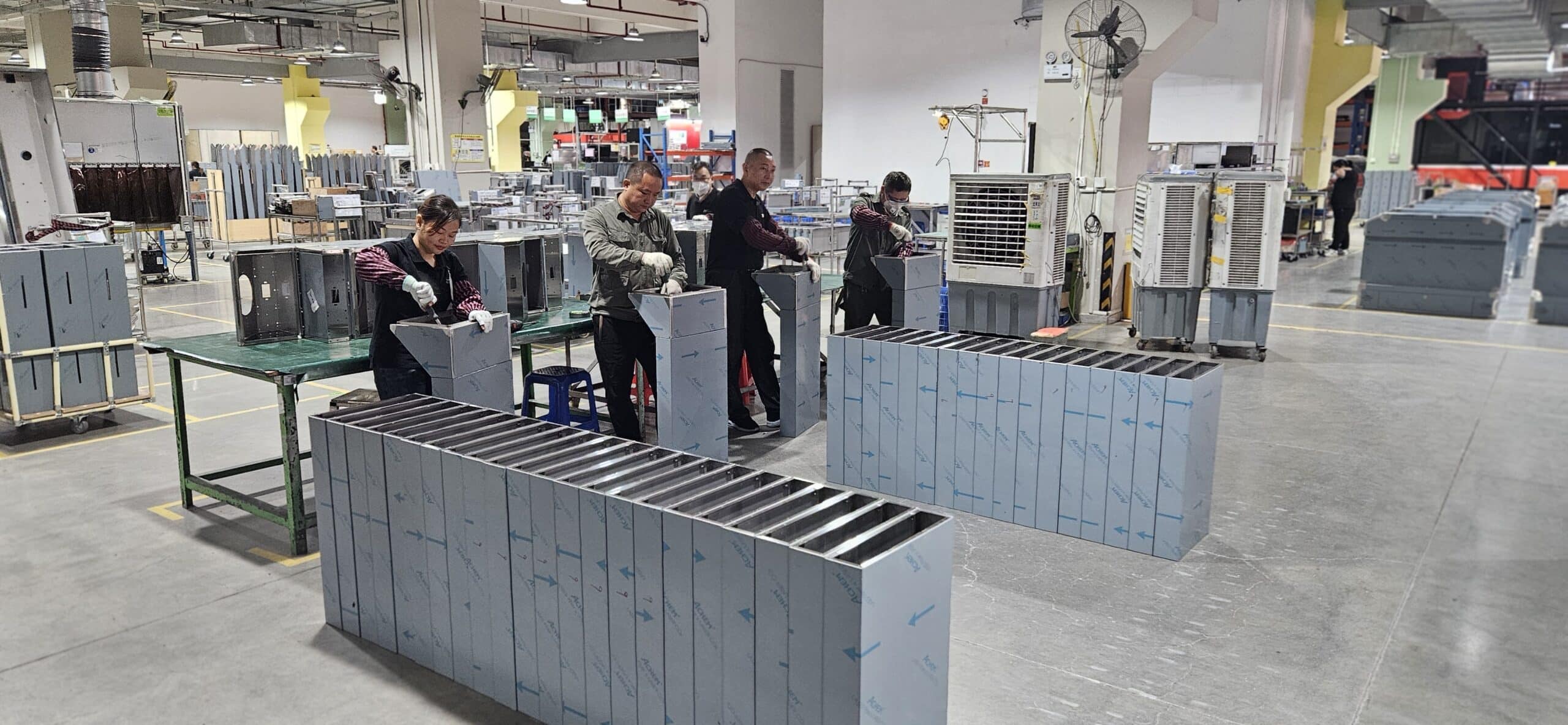
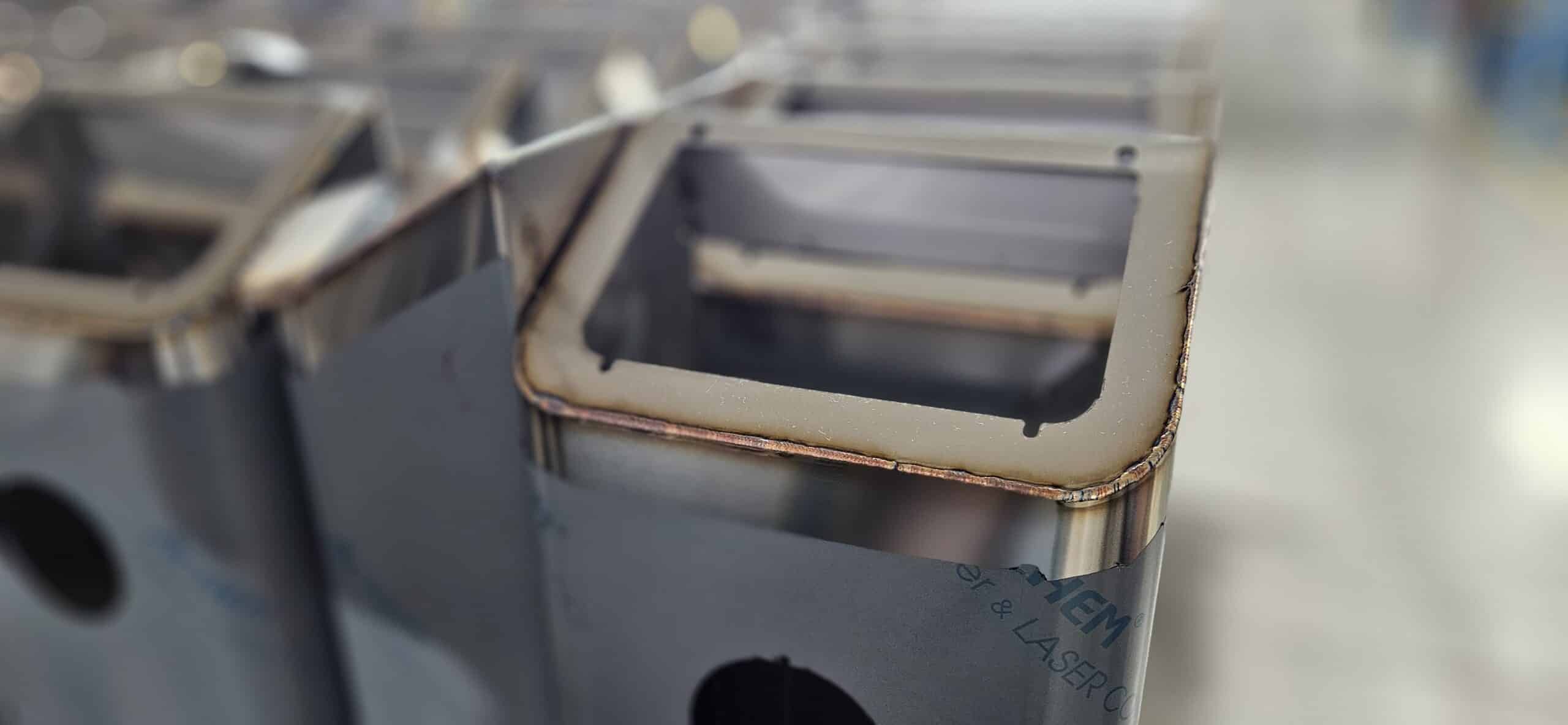
High-quality materials keep turnstiles functional and visually appealing over time, even in harsh environments.
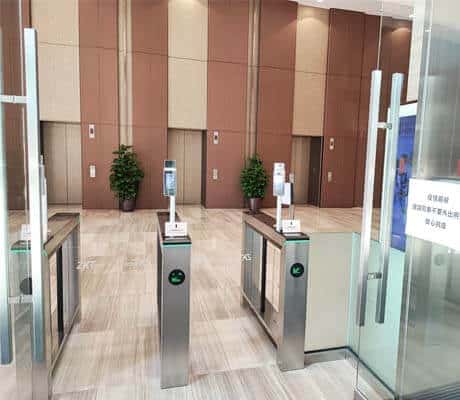
Offices and Corporate Buildings
Stadiums and Entertainment Venues
Public Transport Stations

Educational Institutions
Turnstiles act as a deterrent for anyone trying to gain unauthorized access since they require verification before entry.
The controlled entry nature of turnstiles ensures that only one person can pass through at a time, making it easier to maintain security.
Many turnstiles can be disabled during emergencies, allowing free passage for evacuation when needed.
Different settings have different needs—indoor versus outdoor, high-security versus moderate security. The environment affects which turnstile is appropriate.
Considering how many people will use the turnstile determines whether you need a model focused on speed or security.
The turnstile must integrate well with your current security setup, including alarms and surveillance systems.

Biometric Integration
QR Code and Mobile Access
Smart Turnstiles with AI Features
Proper site preparation ensures smooth installation. Factors like flooring, power supply, and positioning need consideration.
Regular maintenance, such as lubrication and software updates, is key to keeping turnstiles operational.
While turnstiles may have a high initial cost, they provide long-term benefits in security and efficiency. ZKTeco turnstiles are aggressively priced in the market, making them around 10-20% lower in cost compared to local NZ competitors, without sacrificing on quality. We urge potential customers to compare our pricing to see the difference for themselves. We have supplied many local companies and have yet to experience any failures, demonstrating our reliability and quality. Additionally, it's important to consider the type of access control technology being used—whether RFID, Biometric Readers, or QR Codes—all of which can influence the overall investment and capabilities of the turnstile.
Maintenance costs are low if regular preventive checks are conducted, ensuring consistent performance.
Unmanned Supermarkets in the USA: ZKTeco's customized swing barriers enabled efficient access control in unmanned supermarkets, with over 1,000 units deployed successfully.
Monticello Grand Casino in Chile: ZKTeco's metal detectors enhanced security at this entertainment venue, significantly reducing incidents.
Ministry of Foreign Affairs, Indonesia: ZKTeco’s biometric access control and time & attendance solutions improved efficiency for managing 69,000 employees.
Carrefour Romania: Integrated attendance tracking solutions for 17,000 employees improved operational efficiency in this retail giant.
South Sulawesi Railway Stations, Indonesia: Seamlessly integrated entrance control systems improved commuter flow across major railway stations.
Watercare Ghella Abergeldie, New Zealand: ZKTeco's access control solutions successfully helped manage entry at Watercare’s site, ensuring a safe and efficient working environment. For more details, visit Watercare Ghella Abergeldie Case Study.
Northern Arena, New Zealand: ZKTeco's TS1000 turnstile solution was deployed at Northern Arena, providing an effective entry management system that enhanced security and streamlined access control for gym members and staff. For more details, visit Northern Arena ZKTeco TS1000 Case Study.
Improper installation and lack of user training are common issues that can affect turnstile performance.
Hiring professional installers and providing user training can prevent most operational issues. Regular maintenance also minimizes downtime.
Turnstile technology is moving towards greater integration with AI, IoT, and contactless systems to improve functionality and security.
AI is increasingly used in turnstiles for facial recognition, predictive maintenance, and adapting to new security challenges.
Turnstile gates are a vital part of modern security systems, effectively managing pedestrian access while maintaining high safety standards. They are used in diverse settings—from offices to stadiums—and integrate with advanced security systems to ensure a controlled and efficient entry process. With evolving technology, turnstile gates are set to become even more effective and smarter, solidifying their role in secure access management.
Full-Height Turnstiles: Full-height turnstiles extend from floor to ceiling, providing high security to prevent unauthorized entry, ideal for stadiums and industrial sites.
Tripod (Waist-Height) Turnstiles: These turnstiles have three rotating arms at waist height. They are cost-effective and suitable for moderate-security areas like gyms and office entrances.
Flap Barriers: Flap barriers have retractable flaps and are often found in corporate buildings and metro stations, offering a balance of security and aesthetics.
Swing Barriers: Swing barriers feature panels that swing open, suitable for settings needing wide access, such as offices and educational institutions.
Optical Turnstiles: Optical turnstiles use sensors for access control without physical barriers, making them ideal for high-end offices where aesthetics are important.
From access control, time attendance and turnstiles to CCTV, smart locks, vehicle access, digital signage and automation, NZTeco helps match the right technology to the job.
Send us the details and we’ll help you work out the best next step.






We’re a Licensed Security Company!
NZTeco Limited is officially licensed under the Private Security Personnel Licensing Authority (PSPLA).
License Number: 24-121944
License Classes: Security Technician & Security Consultant
Expiry Date: 22-11-2029
What does this mean?
It confirms that we meet the legal standards to provide professional and secure services in New Zealand, ensuring your peace of mind and trust in our solutions.
Being licensed ensures compliance with industry regulations, ethical practices, and accountability in delivering Access Control, CCTV, and other security solutions.
For more about the PSPLA and why choosing a licensed provider matters, visit the official PSPLA information page: https://www.pspla.govt.nz/ (opens in a new tab).