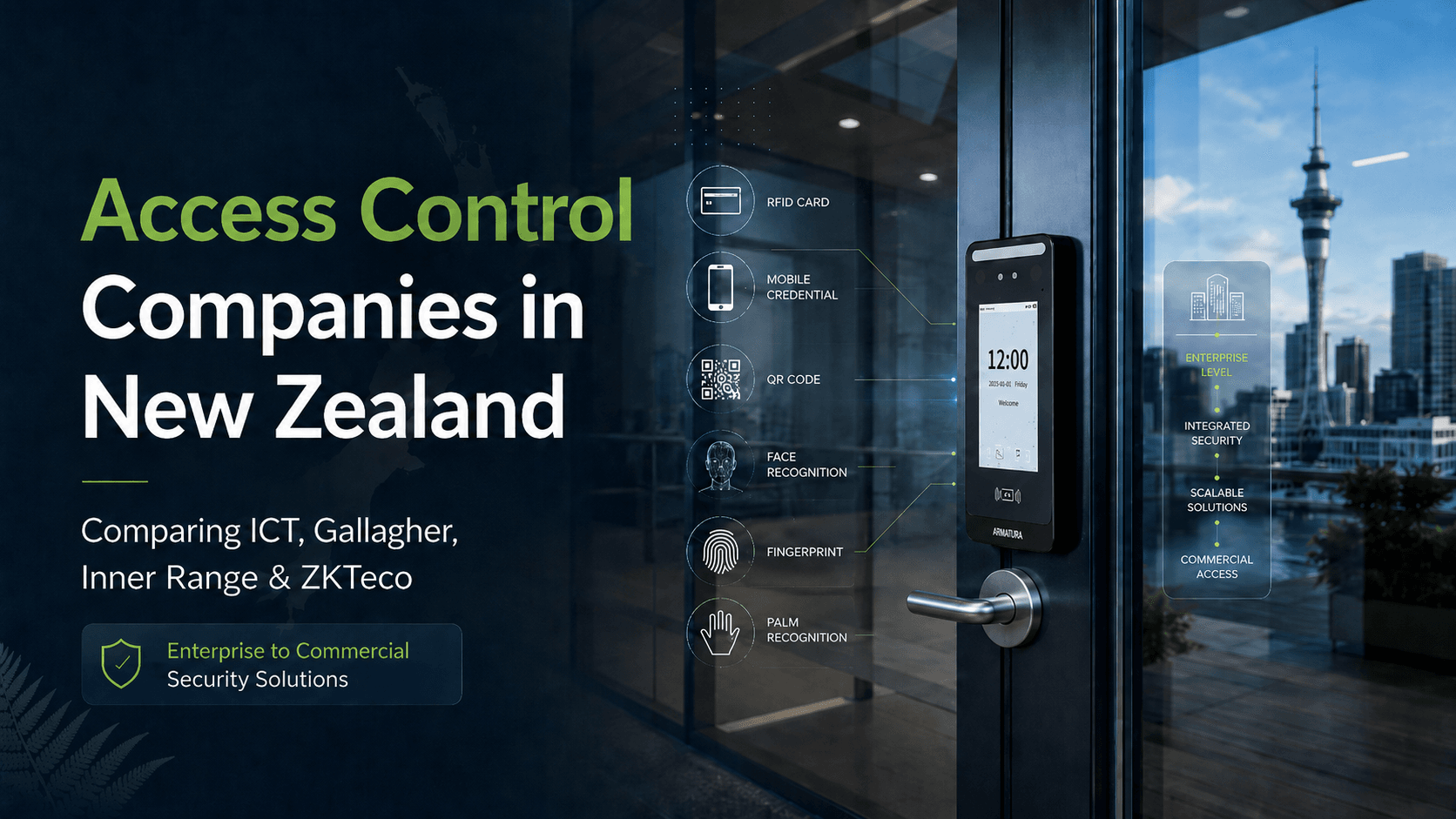
Access Control Companies in New Zealand: Compare ICT, Gallagher, Inner Range & NZTeco
Overview: Compare leading access control companies in New Zealand, including ICT, Gallagher, Inner Range and NZTeco. Learn how to choos...

Delve into Access Control Lock Types with NZTeco, the prime distributor of ZKTeco in New Zealand. Explore a spectrum of electronic and biometric solutions for enhanced security. Transition from traditional locks to modern access control systems to safeguard your premises.
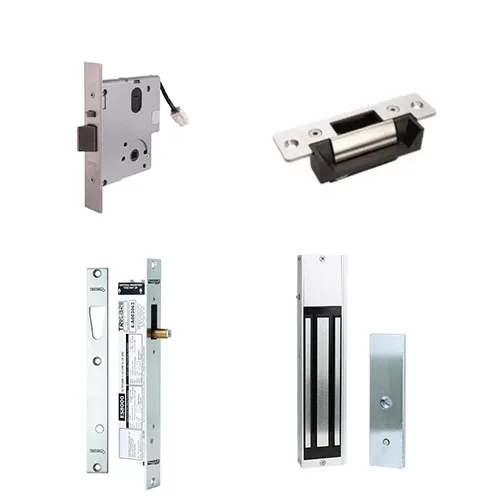
Choosing the right access control lock is just as important as choosing the reader, controller or software. The lock is the physical part of the system that keeps the door secure, so the wrong choice can affect security, usability, installation cost and even compliance.
In this guide, we compare the most common access control lock types used in commercial and industrial environments, including electromagnetic locks, electric strike locks, mortice locks and V-locks. We’ll explain where each option works best, what to watch out for, and how to choose the right lock for offices, warehouses, schools, retail stores and secure facilities.
The best lock depends on the door type, frame, swing direction, security level, exit requirements and how the system will be used day to day. A glass entry door, internal office door, fire exit, warehouse door and high-security area may all need different locking hardware.
An access control system is only as effective as the lock it controls. The reader may identify the person, the controller may decide whether access is allowed, and the software may record the event — but the lock is what physically secures the door.
Choosing the wrong lock can lead to practical problems on site. A lock may not suit the door frame, may be difficult to release safely, may create unnecessary wear, or may not provide the right level of security for the area being protected.
For example, a main entrance door, internal office door, glass door, warehouse access point and emergency exit may all require different locking hardware. Some doors are better suited to electromagnetic locks, while others may work better with electric strikes, mortice locks or specialist locking options such as V-locks.
The right choice depends on several factors:
For commercial sites, the best approach is to choose the lock as part of the full access control design, not as a separate item. This helps ensure the door hardware, reader, controller, power supply and software all work together reliably.
Most commercial access control systems use one of four common electronic lock types: maglocks, electric strikes, electronic mortice locks or V-locks. Each option works differently, so the best choice depends on the door, frame, security requirement and how people need to enter or exit the area.
Below is a practical overview of the main access control lock types and where they are commonly used.
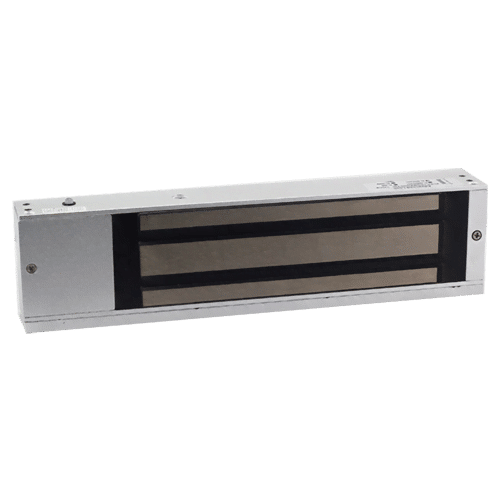
Maglocks use magnetic force to hold the door closed. They are commonly used on commercial doors where strong holding force, surface mounting and simple access control integration are required.
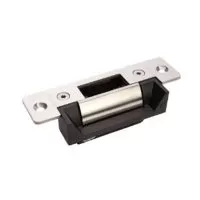
Electric strikes release the door latch when access is granted. They are often used on office doors and internal doors where the existing latch and frame are suitable.
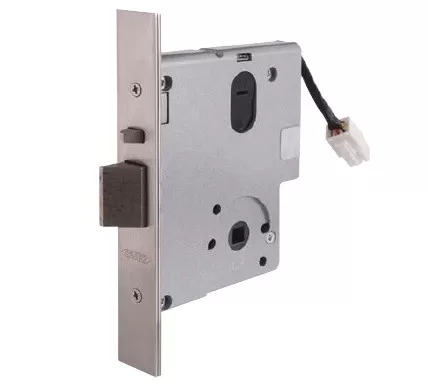
Electronic mortice locks are installed into the door body, giving a cleaner and more integrated finish. They can be a good option where appearance and door hardware integration are important.
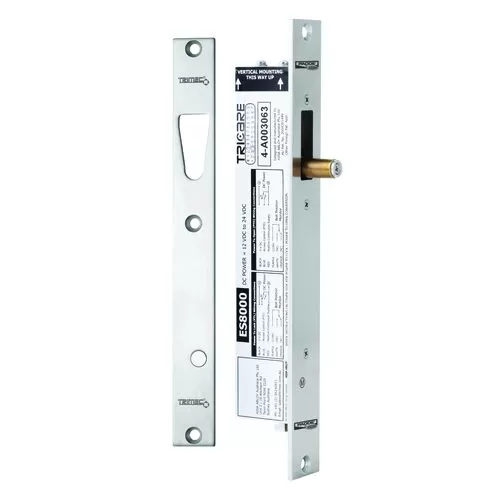
V-locks and drop bolt-style locks are often used where standard locking hardware is difficult to fit, such as glass doors, pivot doors or selected architectural door types.
Each access control lock type has its own strengths. The table below gives a quick comparison to help narrow down the right option before looking at the door, frame and site requirements in more detail.
| Lock Type | Best For | Key Strengths | Important Considerations |
|---|---|---|---|
| Maglock Electromagnetic Lock | Commercial entrances, outward-opening doors, controlled entry and exit points | Strong holding force, simple surface mounting, reliable access control integration | Visible on the door frame and must be installed with proper exit and emergency release considerations |
| Electric Strike Latch Release Lock | Office doors, internal doors and latch-based access-controlled doors | Discreet installation, works with many existing handles, practical for everyday access control | Requires suitable frame space, correct latch alignment and compatible door hardware |
| Mortice Lock Electronic Mortice Lock | Selected commercial doors where a cleaner built-in finish is preferred | Neat appearance, concealed hardware, suitable for more integrated door setups | Installation is usually more involved and may require cabling through the door |
| V-Lock Drop Bolt / Specialist Lock | Glass doors, pivot doors and selected architectural entrance doors | Useful where standard maglocks or strikes are difficult to fit | Needs accurate alignment, careful positioning and correct door suitability checks |
Maglocks and electric strikes are two of the most common lock options used in commercial access control systems. Both can work well, but they suit different doors and different site requirements.
A maglock uses magnetic force to hold the door closed. It is usually mounted on the door frame with an armature plate fitted to the door. When access is granted, the magnetic force releases and the door can open.
An electric strike works differently. It is installed into the door frame and releases the latch when access is granted. This allows the door to open while still using the existing latch or lockset, provided the door hardware is suitable.
Maglocks are commonly used on commercial entry doors, controlled exits and doors where surface mounting is practical.
Electric strikes are often used on office doors, internal doors and sites where the existing latch and frame are suitable.
In simple terms, a maglock is often chosen when strength and straightforward installation are important. An electric strike is often chosen when the door already has suitable latch hardware and a cleaner appearance is preferred.
The final choice should always consider the door type, swing direction, frame construction, emergency exit requirements, power supply, backup power and how the door will be used day to day.
The door itself often determines which access control lock will work best. A lock that suits a timber office door may not suit a glass entrance, aluminium frame, fire exit or warehouse access point.
Before choosing a lock, look at the door material, frame, swing direction, exit requirements and how often the door will be used. This helps narrow down the most practical locking option and avoids unnecessary installation issues.
Aluminium framed doors are common in commercial buildings, retail entrances and office sites. Depending on the frame and door hardware, these may suit maglocks, electric strikes or specialist locking brackets.
Timber doors often provide more flexibility for access control hardware. Electric strikes, mortice locks and maglocks may all be possible, depending on the door frame, latch and required finish.
Glass doors usually need more careful lock selection. Standard electric strikes are often not practical unless there is a suitable frame, so V-locks, drop bolts or maglocks with specialist brackets may be used.
Internal office doors are often good candidates for electric strikes or electronic mortice locks, especially where a discreet appearance is preferred and the existing latch hardware is suitable.
Main entrance doors need to balance security, reliability and daily usability. These doors often see frequent traffic, so the lock needs to be practical, durable and suitable for the access control method being used.
Fire exit and emergency exit doors need special care. Access control must not prevent safe egress, and the locking method should be assessed against the site’s safety and compliance requirements.
The lock secures the door, but the reader decides how people request access. In a complete access control system, the reader, credential, controller and lock all work together to identify the user and release the door when access is approved.
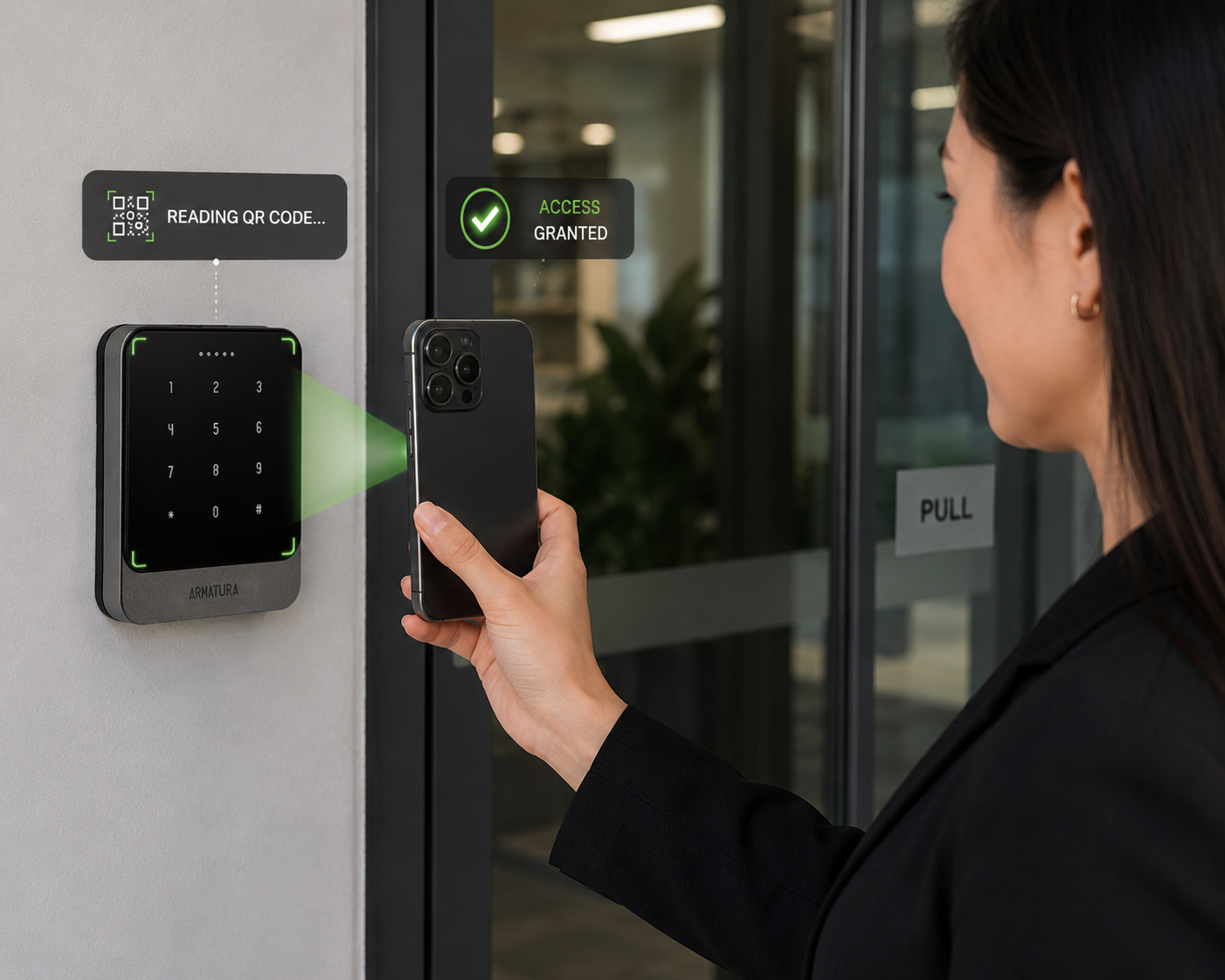
Different sites need different access methods. A small office may only need RFID cards or PIN codes, while a warehouse, gym, school or secure facility may benefit from QR codes, mobile credentials, fingerprint recognition, palm recognition or facial recognition.
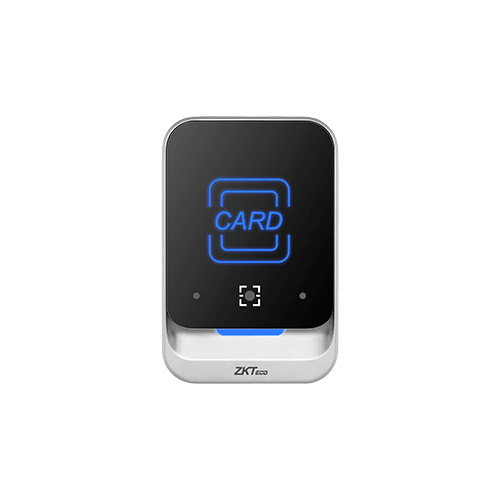
RFID card readers are one of the most common access control methods. Users present a card or key fob to the reader, and the system checks whether they are allowed through the door.
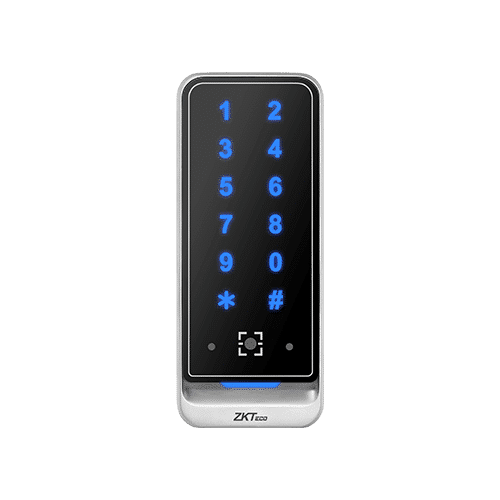
Keypad readers allow users to enter a PIN code to request access. They can be useful where issuing cards is not practical, or where PIN access is used alongside another credential type.
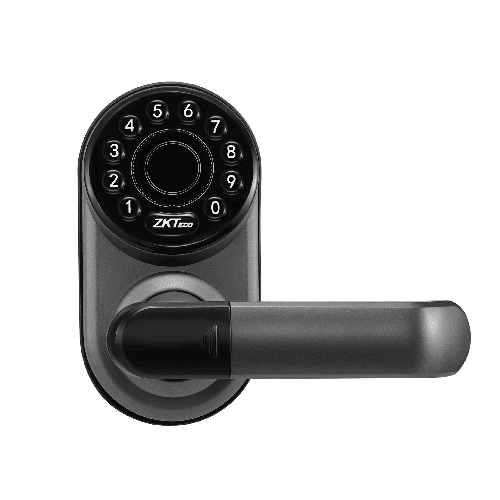
smart door locks combine the lock and credential reader into one unit. They are commonly used for smaller offices, internal doors, accommodation, staff areas and selected keyless entry applications.
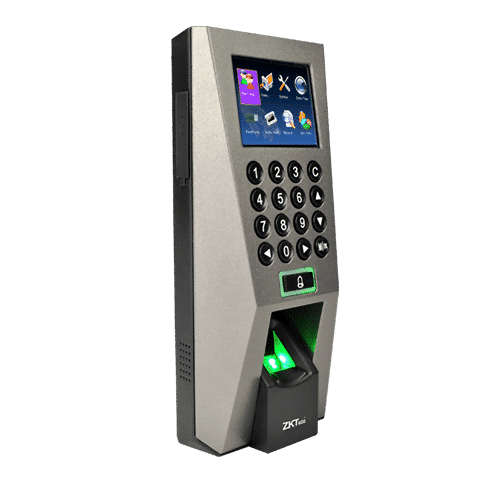
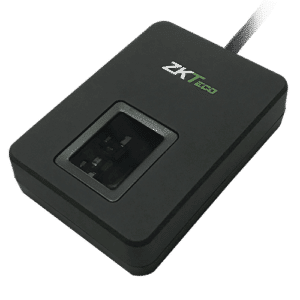
Fingerprint readers identify users by their fingerprint instead of a card or PIN. This can help reduce card sharing and improve accountability in access control and time & attendance systems.
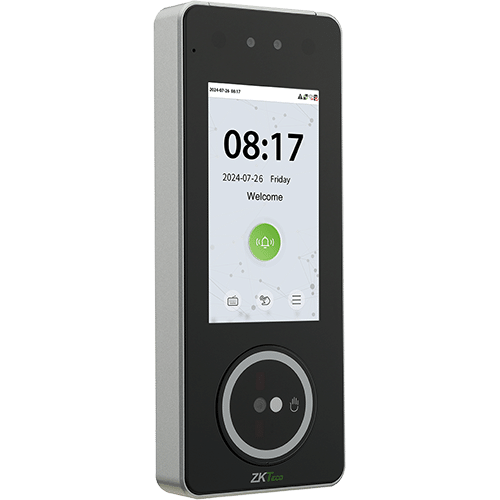
Palm recognition provides a contactless biometric access method that identifies users by their palm features. It is a strong option for modern workplaces that want fast, hygienic and convenient authentication without cards or PIN codes.
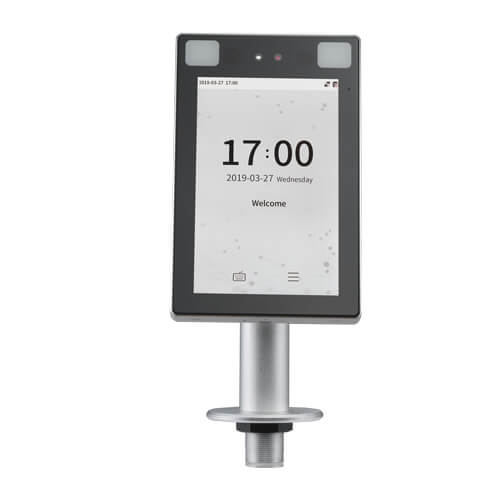
Facial recognition terminals provide a contactless way to identify users. They are well suited to modern workplaces, secure entrances, Time & Attendance applications and sites that want faster, touch-free access.
Access control locks are not just security hardware. They also affect how people enter, exit and move through a building, so safety and compliance need to be considered before installation.
This is especially important for commercial buildings, schools, warehouses, apartment buildings, retail sites and any area where emergency exit, fire safety or public access may be involved.
People must be able to exit safely during an emergency. If a door is part of an escape route, the locking method needs to be selected and installed carefully.
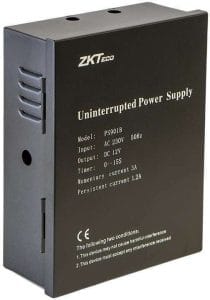
Electronic locks rely on power. A proper access control design should include the correct power supply, cable sizing and backup battery capacity for the lock, reader and controller.
The physical door and frame often decide which lock can be installed. A lock may look suitable on paper but still be impractical if the frame, latch or door movement does not support it.
The lock must work correctly with the reader, controller, exit hardware and software. Good access control design is about the full system, not just one component.
Choosing the right access control lock is not always straightforward. The best option depends on the door, frame, lock position, exit requirements, access method, controller, power supply and how the area is used day to day.
NZTeco can help New Zealand businesses choose suitable electronic locks, readers, controllers and software for commercial access control systems. Whether you need a simple office door setup, biometric access control, QR code access, smart locks or a wider multi-door solution, we can help match the right hardware to the site requirements.
Send us a few details about the door, site and access method you want to use. NZTeco can help you narrow down whether a maglock, electric strike, mortice lock, V-lock, smart lock or another access control option is the better fit.
The best lock depends on the door type, frame, security level and exit requirements. Maglocks are common for commercial access control, electric strikes work well with many latch-based doors, mortice locks provide a cleaner concealed option, and V-locks are useful for selected glass or pivot-style doors.
A maglock holds the door closed using magnetic force, while an electric strike releases the door latch when access is granted. Maglocks are surface-mounted and often chosen for strong holding force, while electric strikes are usually more discreet and depend on the existing latch and frame.
Yes, but the lock type needs to suit the door. Glass doors may require specialist brackets, V-locks, drop bolts or other hardware depending on the door design, frame and how the door opens.
Yes. The lock is usually controlled by an access control system, which can be triggered by RFID cards, PIN codes, QR codes, fingerprint readers, facial recognition, palm recognition or mobile credentials, depending on the hardware and software used.
Maglocks are often used in access control systems, but emergency exit and fire egress requirements must be considered carefully. The installation should be assessed against the site’s safety requirements, exit path and applicable New Zealand compliance considerations.
A fail-safe lock unlocks when power is removed, while a fail-secure lock remains locked when power is removed. The right option depends on the door, security requirement and safe exit requirements. Many access-controlled doors need careful planning around power failure and emergency release.
Yes. A multi-door access control system can manage several doors, readers, locks and users from one platform. The setup depends on the number of doors, reader types, controllers, software, power supplies and reporting requirements.
Choosing the right access control lock comes down to more than just picking a product. The door type, frame, swing direction, security level, exit requirements, credential method and power design all affect the best option.
For many commercial sites, maglocks, electric strikes, mortice locks and V-locks all have a place. The right choice depends on where the door is located, how often it is used, how people need to exit, and what level of control is required.
Readers and credentials are also part of the decision. RFID cards, PIN codes, QR code readers, smart locks, fingerprint recognition, palm recognition, facial recognition and mobile credentials can all be used in different access control setups, but they still need to be matched with suitable locking hardware.
NZTeco supplies a wide range of access control solutions for New Zealand businesses, including electronic locks, biometric readers, QR code readers, controllers, software and complete access control systems. If you are unsure which lock or reader is right for your site, we can help you choose a practical solution that suits the door, the users and the level of security required.
From access control, time attendance and turnstiles to CCTV, smart locks, vehicle access, digital signage and automation, NZTeco helps match the right technology to the job.
Send us the details and we’ll help you work out the best next step.





We’re a Licensed Security Company!
NZTeco Limited is officially licensed under the Private Security Personnel Licensing Authority (PSPLA).
License Number: 24-121944
License Classes: Security Technician & Security Consultant
Expiry Date: 22-11-2029
What does this mean?
It confirms that we meet the legal standards to provide professional and secure services in New Zealand, ensuring your peace of mind and trust in our solutions.
Being licensed ensures compliance with industry regulations, ethical practices, and accountability in delivering Access Control, CCTV, and other security solutions.
For more about the PSPLA and why choosing a licensed provider matters, visit the official PSPLA information page: https://www.pspla.govt.nz/ (opens in a new tab).