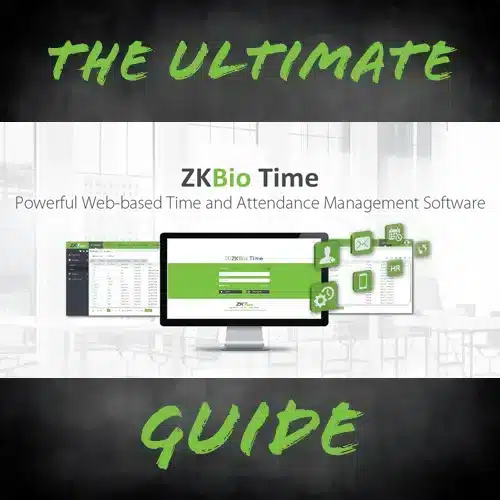
ZKBio Time 9.0 vs ZKBio Time Cloud: The 2026 Buyer’s Guide
Overview: Compare ZKBio Time 9.0 vs ZKBio Time Cloud: features, security, mobile self-service and payroll-ready exports. See which fits...

Buddy punching quietly costs businesses thousands each year. Learn what it is, how it happens, and how biometric time & attendance systems prevent it securely.
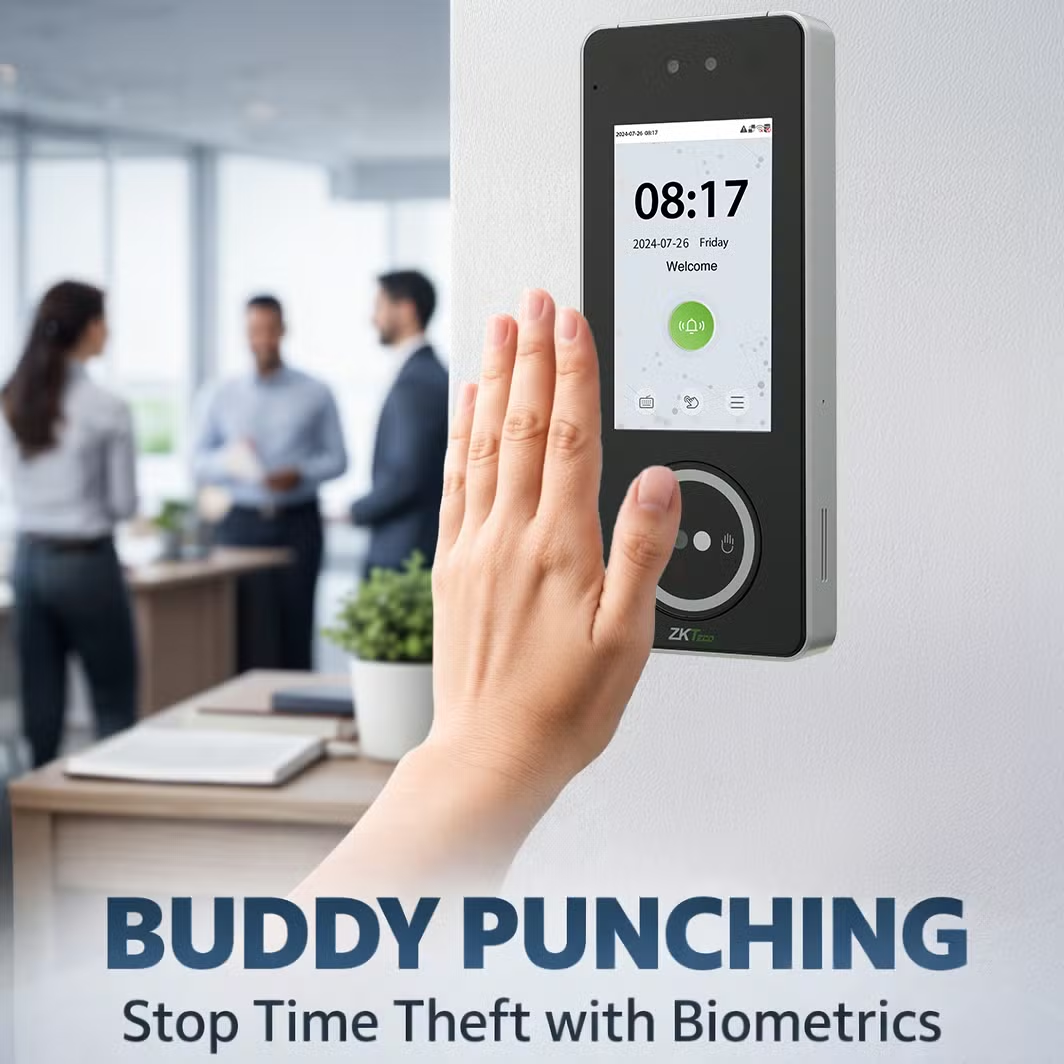
Buddy punching is one of the most common — and most overlooked — forms of time theft in workplaces.
It often happens quietly, without bad intent, and without management realising how much it adds up over time. But across weeks, months, and years, buddy punching can cost businesses thousands of dollars per employee.
In this article, we’ll explain:
Buddy punching occurs when one employee clocks in or out on behalf of another employee.
Common examples include:
In traditional time clock systems — cards, PINs, swipe tags — there is no reliable way to confirm who actually performed the clock action.
In most cases, buddy punching isn’t driven by fraud — it’s driven by convenience.
Typical reasons include:
The problem isn’t people — it’s the system allowing it.
Even small amounts of lost time add up quickly.
Let’s look at a simple example:
Now multiply that across:
For medium and large businesses, buddy punching can quietly drain tens of thousands of dollars annually.
Older time & attendance systems rely on:
All of these can be:
The system records a clock event, but it does not verify identity.
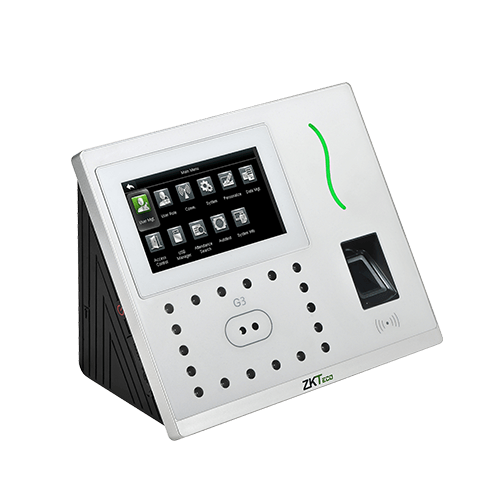
Biometric time & attendance systems verify the person, not the token.
Because biometric traits are unique to each person, buddy punching becomes impossible.
You cannot:
The short answer: No — not in the way people think.
Let’s clear this up properly.
Our systems:
Your staff aren’t being “watched” or profiled.
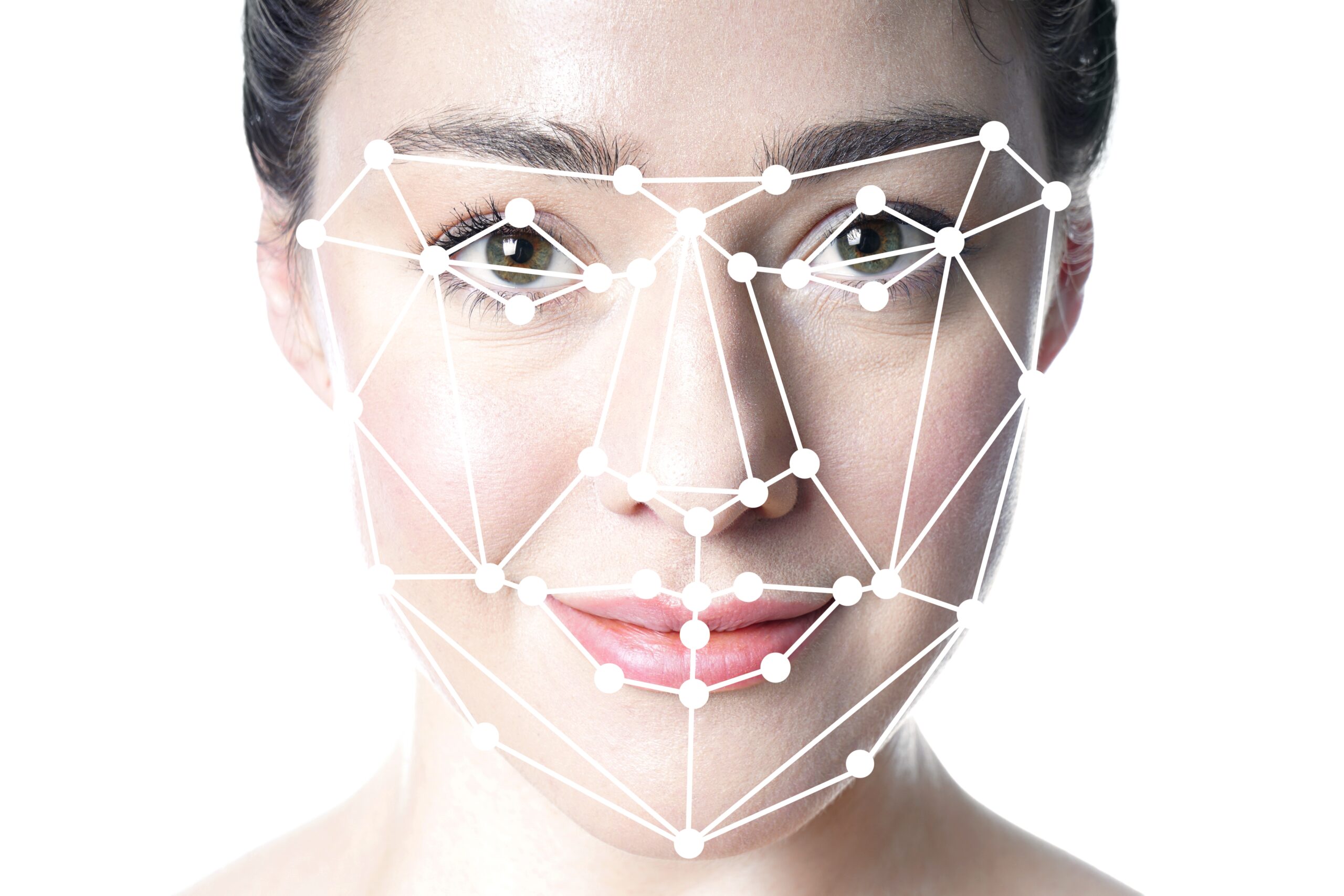
Instead of photos, modern biometric systems store:
Think of it like a hashed password, not a photo.
Even if someone accessed the data, it cannot be used for anything else.
From a security and compliance perspective, biometrics are actually more privacy-friendly than traditional methods.
Cards and PINs:
Biometrics:
One often-overlooked benefit of biometric attendance is fairness.
When buddy punching exists:
Biometrics create:
It removes the awkward conversations — the system simply enforces attendance fairly.
Yes — when implemented correctly.
In New Zealand:
Our solutions are designed to align with:
We help businesses implement systems properly and responsibly.
Buddy punching isn’t about bad employees.
It’s about outdated systems that make time theft easy and invisible.
Biometric time & attendance:
If your business relies on accurate time tracking, biometrics aren’t “overkill” — they’re simply modern and sensible.
Buddy punching is when one employee clocks in or out on behalf of another, resulting in inaccurate time records.
It’s extremely common in workplaces using cards, PINs, or manual systems — often without management noticing.
No. They store encrypted mathematical templates, not reusable images.
No. Our systems are completely standalone and used only for attendance and access control.
Yes, when implemented transparently and in line with privacy regulations.
From access control, time attendance and turnstiles to CCTV, smart locks, vehicle access, digital signage and automation, NZTeco helps match the right technology to the job.
Send us the details and we’ll help you work out the best next step.




We’re a Licensed Security Company!
NZTeco Limited is officially licensed under the Private Security Personnel Licensing Authority (PSPLA).
License Number: 24-121944
License Classes: Security Technician & Security Consultant
Expiry Date: 22-11-2029
What does this mean?
It confirms that we meet the legal standards to provide professional and secure services in New Zealand, ensuring your peace of mind and trust in our solutions.
Being licensed ensures compliance with industry regulations, ethical practices, and accountability in delivering Access Control, CCTV, and other security solutions.
For more about the PSPLA and why choosing a licensed provider matters, visit the official PSPLA information page: https://www.pspla.govt.nz/ (opens in a new tab).