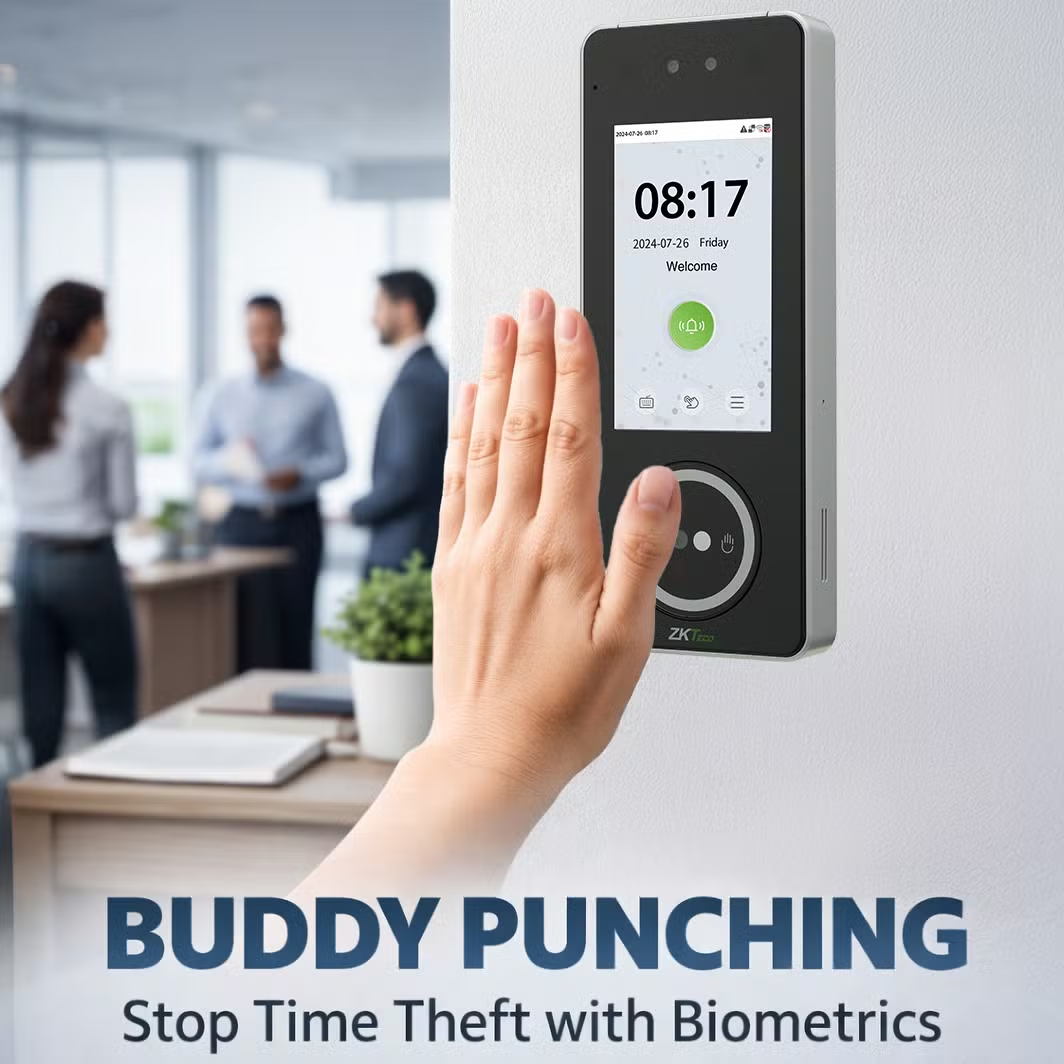
Buddy Punching: How It Costs Businesses Money (and How Biometrics Stop It)
Overview: Buddy punching quietly costs businesses thousands each year. Learn what it is, how it happens, and how biometric time & ...

Clear guidance on biometric privacy in New Zealand, including the Biometrics Code, ZKTeco’s official claims, configurable photo and encryption features, hosting and responsibilities.
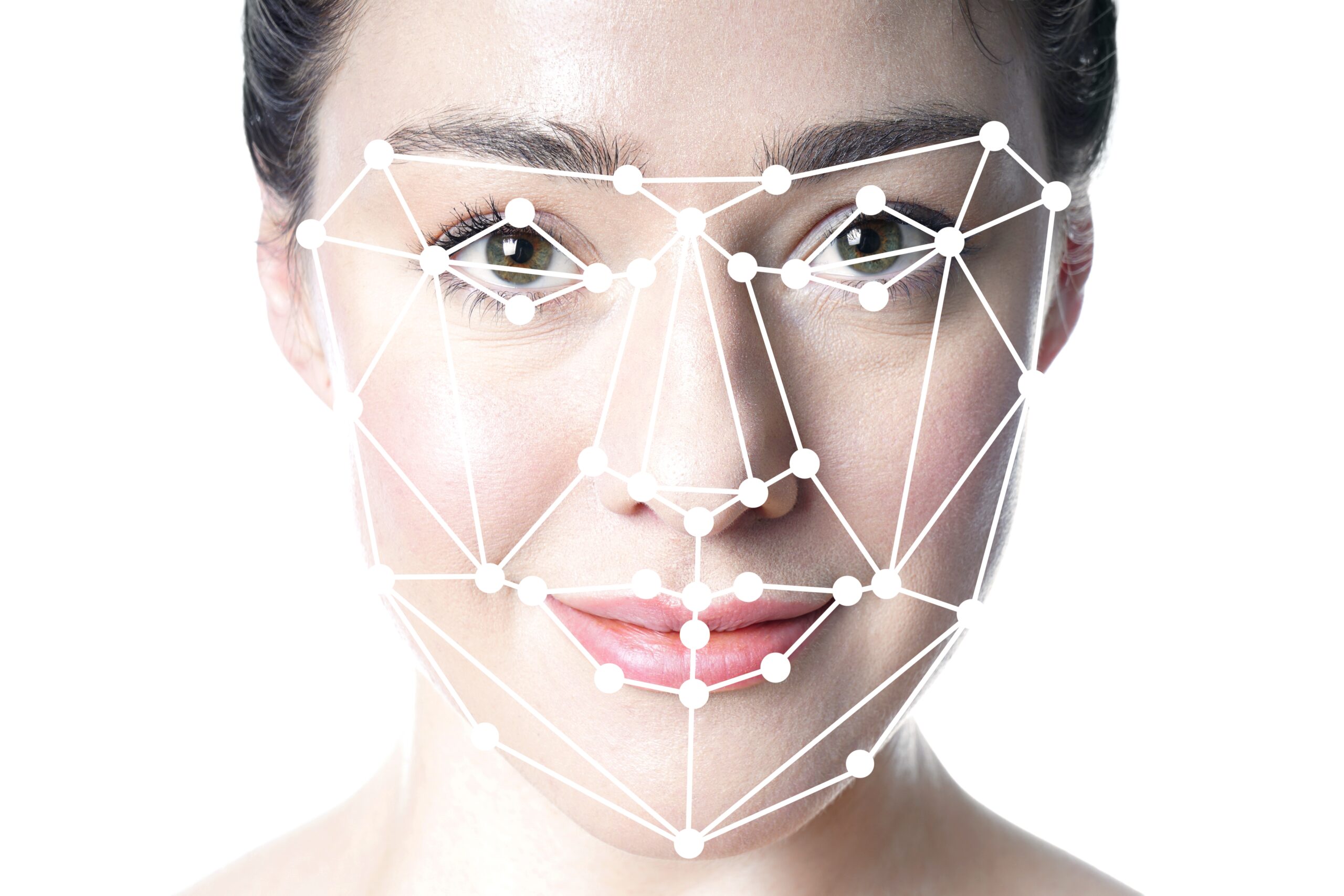
At NZTeco, we believe transparency builds trust. In an age where facial recognition, fingerprint scanners, and biometric attendance are becoming more common, many New Zealanders are asking: "Where does my data go? Who sees it? Is it safe?" — This article aims to clear that up.
Biometric privacy in New Zealand is not just about where data is hosted. It also depends on how biometrics are used, what information the system collects, which features are enabled, how the system is secured, how long information is retained, and who is responsible for it.
At NZTeco, we believe clear information builds trust. Facial recognition, fingerprint readers, and palm-based access systems can offer security and convenience, but they need to be selected, configured, and managed carefully. This article explains what New Zealand organisations should know, what ZKTeco officially says about its technology, and which details must be confirmed for each deployment.
The Biometric Processing Privacy Code 2025 establishes specific privacy rules for organisations that collect biometric information for automated verification, identification, or categorisation. The Code came into force on 3 November 2025. The transition period for organisations already using covered biometric systems ended on 3 August 2026.
Before collecting biometric information, an organisation generally needs to establish that:
Organisations also need to tell people clearly that biometric information is being collected, explain each purpose of collection, and state whether a non-biometric alternative is available. The Code also covers security, access, correction, retention, use, disclosure, and disclosure outside New Zealand. The Office of the Privacy Commissioner provides detailed biometrics guidance and examples. Organisations should consider completing a Privacy Impact Assessment before deploying or materially changing a biometric system.
ZKTeco publishes Guidelines on the Use of Biometric Data. In that guidance, ZKTeco states that its biometric algorithms extract selected feature points for matching rather than collecting complete biometric features. It also says that its hardware and software apply encryption techniques, and that templates are deleted from hardware and software permanently according to the applicable situation.
ZKTeco’s guidance also places important responsibilities on the organisation using the system. It says the data user is responsible for informing people, collecting templates lawfully and fairly, avoiding unnecessary retention, and controlling any new use of information. These are ZKTeco’s official statements. They should be read alongside the documentation for the exact device, software version, and deployment; they do not substitute for checking the actual configuration or meeting New Zealand legal obligations.
During enrolment, a biometric system obtains a sample—such as a face scan or fingerprint—and extracts information used to create a template for matching. That does not mean every ZKTeco system operates on template data alone. Official ZKTeco specifications show that some devices have separate capacities for face templates, user photos, and event photos, and may support event snapshots. ZKTeco software documentation also describes transferring and retrieving user photos and biometric photos in supported configurations.
For that reason, the right questions are:
The answers vary by model, firmware, software, and configuration.
ZKTeco’s current ZKBio CVSecurity product information claims 256-bit AES data protection. Some ZKTeco device specifications also list encrypted HTTPS communications, but on certain models HTTPS is described as optional. ZKTeco’s support guidance instructs administrators to select HTTP or HTTPS to match the software configuration.
This means it is not accurate to assume every ZKTeco system is encrypted at every stage automatically. A deployment review should confirm:
Encryption is an important safeguard, but it is one part of a broader security and privacy programme.
Depending on the selected system, information may be held:
For example, ZKTeco describes ZKBio Time as web-based software that can operate as a private cloud, while ZKBio Time Cloud is a separate AWS-based service. An AWS reference alone does not establish the country or region in which a particular customer’s data is stored. Before deployment, organisations should document the real data flow and confirm every hosting region and service provider contractually.
If biometric information is disclosed outside New Zealand, rule 12 of the Biometric Processing Privacy Code may require additional grounds and protections.
Responsibility depends on the roles each party performs—not simply on who manufactured or installed the equipment. Under the Office of the Privacy Commissioner’s section 11 guidance, a provider that stores or processes personal information solely for a customer may be acting on the customer’s behalf. The customer can still be treated as holding the information and remain responsible for meeting privacy obligations. If a provider also uses or discloses information for its own purposes, both organisations may have responsibilities.
Contracts should therefore identify who controls the information, who can access it, what each party may do with it, how incidents are managed, and what happens when the service ends. NZTeco’s role can differ between supply-only, installation, support, and hosted-service arrangements. Responsibilities and data flows should be documented for the actual service provided.
Official ZKTeco documentation shows that features vary between products and may require configuration:
These controls are useful, but availability should never be assumed. NZTeco recommends recording the device model, firmware, software version, and agreed configuration during installation handover.
Reality: Many systems use biometric template matching, but some devices and software can also retain user photos, biometric photos, and event snapshots. Retention depends on product configuration. An organisation should disclose what is collected, why it is needed, and when it will be deleted.
Reality: Templates are intended to be different from raw images, and ZKTeco describes its template process as non-reversible. However, biometric information remains sensitive. A compromised password can be changed; a person’s face or fingerprint generally cannot. Organisations must still prevent unauthorised access, use, disclosure, and linking of biometric information.
Reality: Storage location depends on the chosen device, software, hosting service, and integrations. Some deployments are entirely on-premises; other services use cloud infrastructure. The actual hosting country, backups, and overseas support access must be confirmed for each deployment.
Reality: Encryption is only one safeguard. New Zealand’s rules also address lawful purpose, necessity, proportionality, transparency, alternatives, access, correction, retention, use, and disclosure.
NZTeco can help customers identify appropriate ZKTeco products, document relevant product capabilities, and configure supported security and privacy features for the agreed deployment. Depending on the project, this can include:
No supplier, product, or certificate can guarantee compliance for every use case. Compliance depends on the organisation’s purpose, decisions, configuration, and ongoing operation of the system.
Yes. When it relates to an identifiable person, it is personal information. Under the Biometric Processing Privacy Code, both biometric samples and biometric templates can be biometric information.
No universal rule can be applied to every product and configuration. Many systems create templates for matching, but ZKTeco devices and software can also support user photos, biometric photos, and event snapshots. Check the exact model and enabled features.
Individuals can request access to and correction of biometric information; a correction request can include a request for deletion. Whether and how an organisation must act depends on the applicable law and circumstances. Organisations must not retain biometric information longer than it may lawfully be used.
Often, but the available options depend on the selected product and service. Confirm the primary region, backups, disaster recovery, integrations, and any overseas support access before deployment.
Generally, organisations covered by the Code must provide clear information before biometric information is collected, including that collection is occurring, the purposes, and whether an alternative is available. Additional details may also be required under rule 3.
No. Authorisation may be relevant in some situations, but it does not replace the need to establish lawful purpose, necessity, proportionality, safeguards, transparency, and compliance with other applicable rules.
Biometric systems can improve access control, attendance, and security, but privacy depends on the complete deployment—not a single feature or marketing statement. The best approach is to document the purpose, select the least intrusive effective option, understand exactly what the chosen product collects, configure it securely, and review it throughout its lifecycle.
Need help assessing a ZKTeco deployment? Contact NZTeco to discuss the device, software, hosting, and configuration that fit your site.
From access control, time attendance and turnstiles to CCTV, smart locks, vehicle access, digital signage and automation, NZTeco helps match the right technology to the job.
Send us the details and we’ll help you work out the best next step.

We’re a Licensed Security Company!
NZTeco Limited is officially licensed under the Private Security Personnel Licensing Authority (PSPLA).
License Number: 24-121944
License Classes: Security Technician & Security Consultant
Expiry Date: 22-11-2029
What does this mean?
It confirms that we meet the legal standards to provide professional and secure services in New Zealand, ensuring your peace of mind and trust in our solutions.
Being licensed ensures compliance with industry regulations, ethical practices, and accountability in delivering Access Control, CCTV, and other security solutions.
For more about the PSPLA and why choosing a licensed provider matters, visit the official PSPLA information page: https://www.pspla.govt.nz/ (opens in a new tab).