Top Features of a Reliable Security System in New Zealand: Comprehensive Guide for 2024
Overview: Discover the essential features of a reliable security system in New Zealand for 2024. Learn about access control, CCTV, alar...

Explore the mechanism, features, and real-world applications of Tripod Turnstiles. Discover how they enhance security and manage crowd flow across various settings.
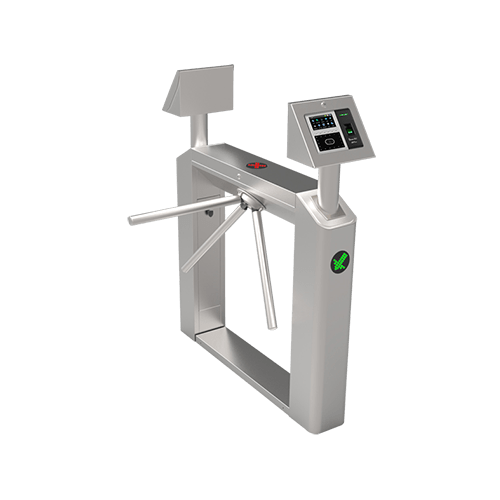
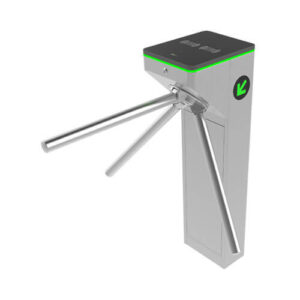
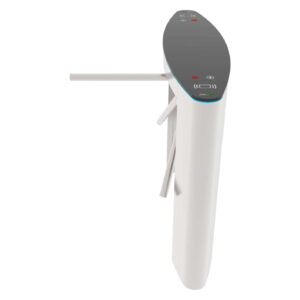
You often see Tripod Turnstiles in many places. They help control access and make sure people enter in a safe and organised way. Sports stadiums, commercial buildings, and train stations use them. They’re easy to use and help manage the flow of people, help improve security and maintain order. In this article, we will discuss everything you need to know about tripod turnstiles. We will explain how they work, why they are beneficial, and how people use them. You can integrate tripod turnstiles with about any Access Control System. We will explain how they work and why they are useful.
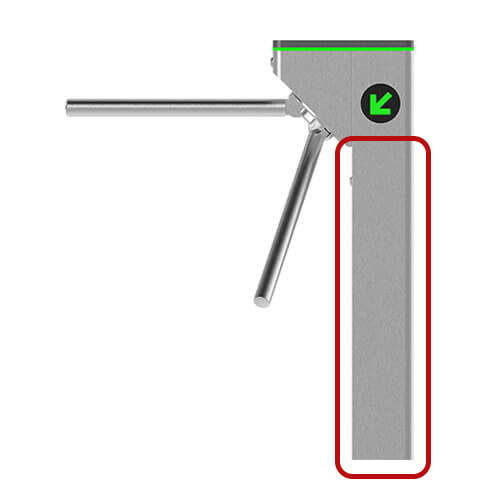
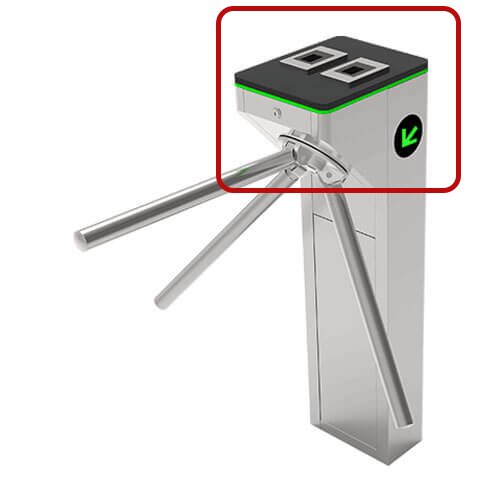
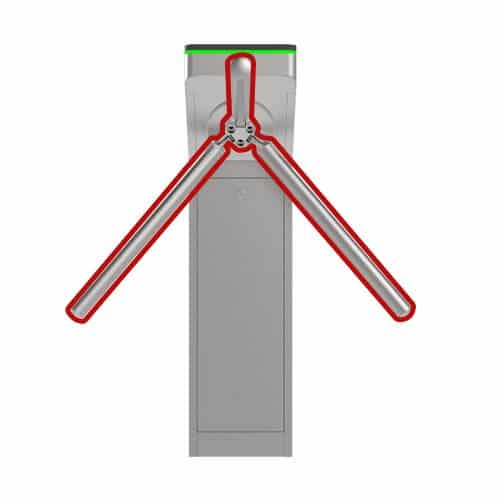
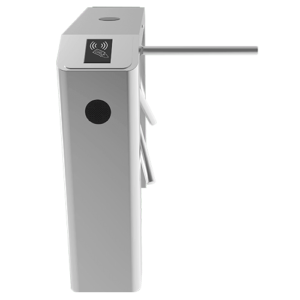
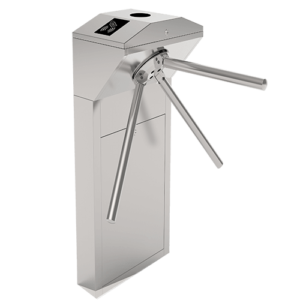
The mechanism of a tripod turnstile is relatively straightforward. After the access control system verifies someone’s identity, the arms rotate, allowing them to pass. Usually, only one person can pass at a time because the rotation is limited to a third of a full circle. This makes sure that access is controlled and individual.
The access control system, which can be built-in or external, controls the turnstile’s operation. When the credentials are correct, the system sends a signal to open the turnstile and let the person through. If the credentials are not valid or no credentials are shown, the arms stay locked to prevent entry.
Tripod turnstiles can be set to control the flow of people in one or both directions. Tripod turnstiles are reliable and versatile for secure entry and exit control. They have a simple, effective design and can integrate with different access control systems.

Tripod turnstiles have several key features, which make them widely used in different places. Below are some of the notable features:
Tripod turnstiles can integrate with a variety of access control systems. They support technologies such as Biometrics, Card/Tags, QR codes or even mobile phones.
Because of the sturdy construction and simple mechanics, tripod turnstiles need minimal maintenance. This makes them a cost-effective solution for long-term access control.
Advantages of a tripod turnstile and answering the question: What are its benefits?
Tripod turnstiles act as barriers to prevent unauthorised individuals from entering secure areas. They use various access control systems to ensure only authorised people can enter.
Tripod turnstiles prevent tailgating and piggybacking, blocking unauthorised access.
Access control systems use tripod turnstiles to monitor entry and exit activities in real-time. This helps with security surveillance and analysis by generating reports.
Tripod turnstiles are excellent for controlling the movement of people in busy places. They help maintain order during busy times by controlling people’s speed and direction of movement.
Tripod turnstiles help people enter and reduce congestion by keeping them moving.
Most descent turnstiles have a ‘drop-arm’ feature that allows the top arm to drop down in case of an emergency. This allow for free access in a evacuation scenario.
The benefits of tripod turnstiles extend beyond security and flow control. These devices can work with different technologies and adapt to various operational needs. This makes them a dependable and versatile solution for modern access control.
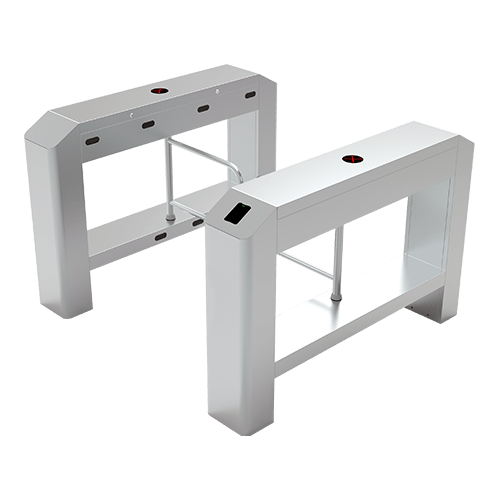
Tripod turnstiles and flap barriers are both used to control who gets in and out of places. But they have some differences. Let’s look at how they compare:
| Feature | Tripod Turnstiles | Flap Barriers |
|---|---|---|
| Structure | Three rotating arms, sturdy design | Retractable panels, modern design |
| Functionality | One person at a time, after access check | Wider passage, smoother entry/exit |
| Use Cases | Busy places like subways and stadiums | Offices and indoor places with a nicer look |
| Location | Suitable for indoors and outdoors | Mostly indoors |
| Accessibility | Standard passage width | Wider passage for better accessibility |
In conclusion, while both tripod turnstiles and flap barriers are effective for controlling access, they cater to different needs and settings. Understanding these differences can help in selecting the most suitable option for your location.
To make a good choice, it’s important to know the pros and cons of tripod turnstiles and flap barriers. This helps you consider the needs of the place. Below are the pros and cons of each:
| Tripod Turnstiles | ||
| Aspect | Pros | Cons |
| Durability | Highly durable, suited for heavy usage. | |
| Cost | Generally more cost-effective. | |
| Maintenance | Low maintenance required. | |
| Security | High level of security with physical barrier. | |
| Installation | Easier to install. | |
| Aesthetics | Less modern look. | |
| Accessibility | Not as accessible for wider passageways. | |
| Flap Barriers | ||
| Aspect | Pros | Cons |
| Durability | May not endure heavy outdoor use. | |
| Cost | Typically more expensive. | |
| Maintenance | May require more maintenance. | |
| Security | Smooth access with a level of security. | Less physical barrier compared to turnstiles. |
| Installation | May require a more complex installation. | |
| Aesthetics | Modern, sleek appearance. | |
| Accessibility | Wider passageways for better accessibility. | |
Tripod turnstiles are versatile access control systems used in many different industries. Below are some of the real-world applications where tripod turnstiles prove to be invaluable:
Tripod turnstiles in subway stations and bus terminals control the flow of commuters. They only let people with valid tickets or passes access the platforms.
Stadiums and arenas have control over who enters and exits, which keeps things organised and secure.
Tripod turnstiles keep office complexes and shopping malls secure by controlling access and stopping unauthorised entry.
School and Universities can control access to campus facilities, keeping the premises secure.
Data Centres and Research Facilities need to ensure that only authorised personnel can enter sensitive areas. Tripod turnstiles offer an effective solution for this.
Tripod Turnstiles are especially popular in Gyms as they are low profile and take up less space.
Factories and construction sites control worker entry and exit to maintain safety standards and restrict access to dangerous areas.
These applications show how tripod turnstiles can manage access control and enhance security in many settings.
In this article, we’ve explained the tripod turnstile. We talked about how it works, its important features, and the benefits it offers for security and controlling flow in different places. We compared it to flap barriers to show its strengths. We also showed its versatility and relevance in access control today through real-world examples.
We hope this information helps you make informed decisions about access control for your establishment. If you have any questions or need advice about tripod turnstiles, please feel free to contact us. Our team is ready to help you with the information you need for access control.
From access control, time attendance and turnstiles to CCTV, smart locks, vehicle access, digital signage and automation, NZTeco helps match the right technology to the job.
Send us the details and we’ll help you work out the best next step.





We’re a Licensed Security Company!
NZTeco Limited is officially licensed under the Private Security Personnel Licensing Authority (PSPLA).
License Number: 24-121944
License Classes: Security Technician & Security Consultant
Expiry Date: 22-11-2029
What does this mean?
It confirms that we meet the legal standards to provide professional and secure services in New Zealand, ensuring your peace of mind and trust in our solutions.
Being licensed ensures compliance with industry regulations, ethical practices, and accountability in delivering Access Control, CCTV, and other security solutions.
For more about the PSPLA and why choosing a licensed provider matters, visit the official PSPLA information page: https://www.pspla.govt.nz/ (opens in a new tab).