
Introduction
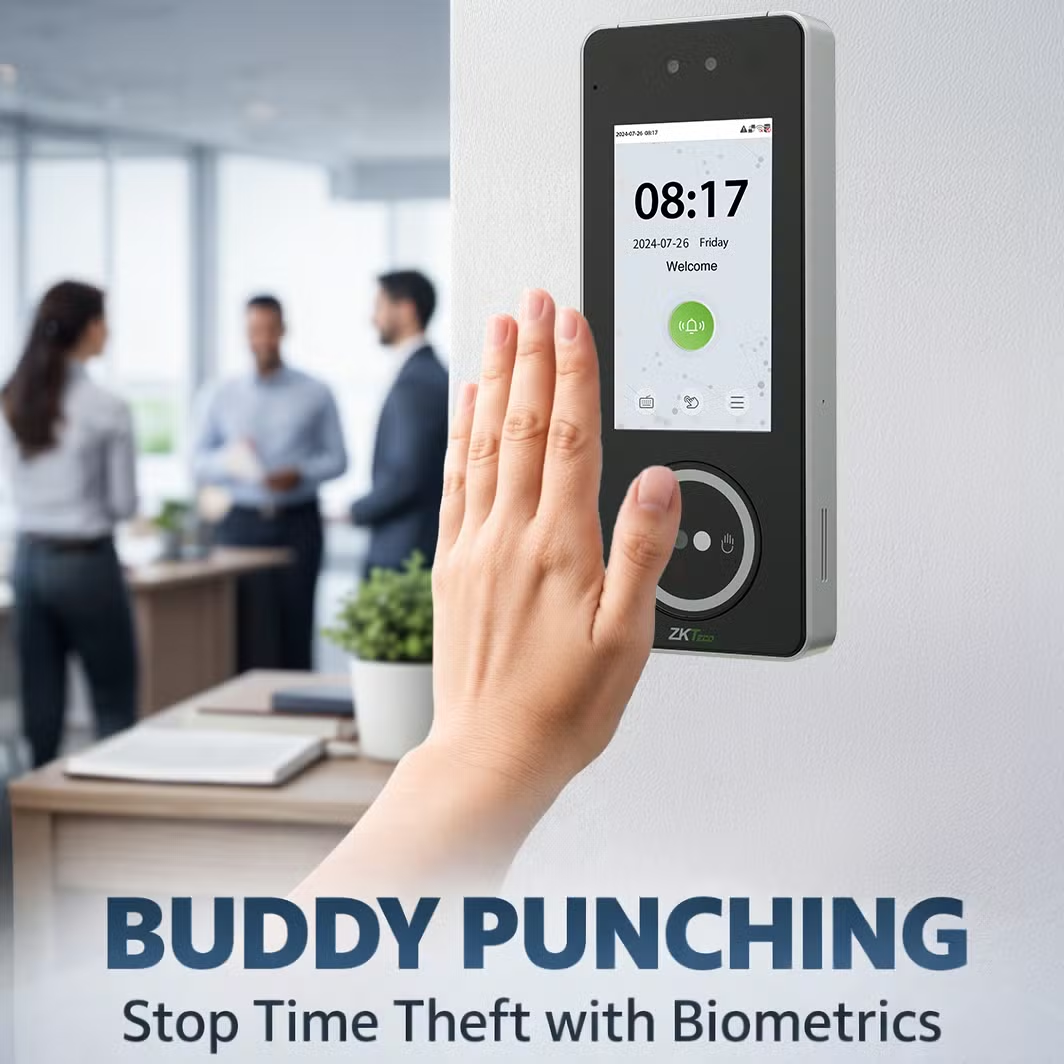
Buddy punching is one of the most common — and most overlooked — forms of time theft in workplaces.
It often happens quietly, without bad intent, and without management realising how much it adds up over time. But across weeks, months, and years, buddy punching can cost businesses thousands of dollars per employee.
In this article, we’ll explain:
What buddy punching is
Why it happens
How it affects payroll and productivity
How biometric time & attendance systems eliminate it
And why modern biometric systems are safe, secure, and privacy-respecting
What Is Buddy Punching?
Buddy punching occurs when one employee clocks in or out on behalf of another employee.
Common examples include:
In traditional time clock systems — cards, PINs, swipe tags — there is no reliable way to confirm who actually performed the clock action.
Why Buddy Punching Happens
In most cases, buddy punching isn’t driven by fraud — it’s driven by convenience.
Typical reasons include:
“I’m just helping them out this once”
Staff arriving late due to traffic or childcare
Weak enforcement or unclear policies
Manual or outdated systems that are easy to bypass
Shared trust environments where accountability is low
The problem isn’t people — it’s the system allowing it.
How Much Money Does Buddy Punching Cost?
Even small amounts of lost time add up quickly.
Let’s look at a simple example:
minutes per shift
days a week
working weeks per year
That’s 40 hours per employee per year — the equivalent of a full working week paid for but not worked.
Now multiply that across:
Multiple employees
Overtime rates
Payroll taxes and compliance costs
For medium and large businesses, buddy punching can quietly drain tens of thousands of dollars annually.
Why Traditional Time Clocks Fail
Older time & attendance systems rely on:
PIN codes
Swipe cards
RFID tags
Manual sign-in sheets
All of these can be:
Shared
Lost
Borrowed
Copied
Misused
The system records a clock event, but it does not verify identity.
That’s thecore issue.
How Biometrics Eliminate Buddy Punching
Biometric time & attendance systems verify the person, not the token.
Instead of asking:
They ask:
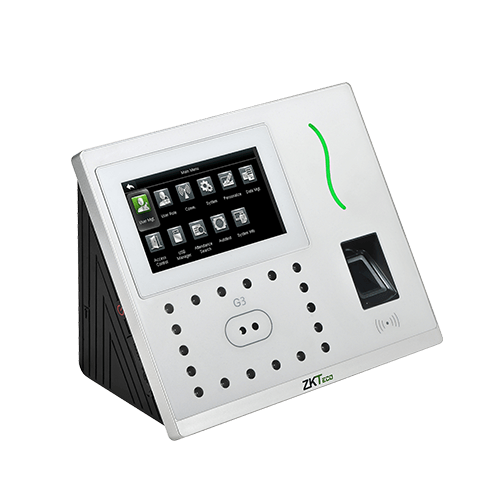
Common biometric methods include:
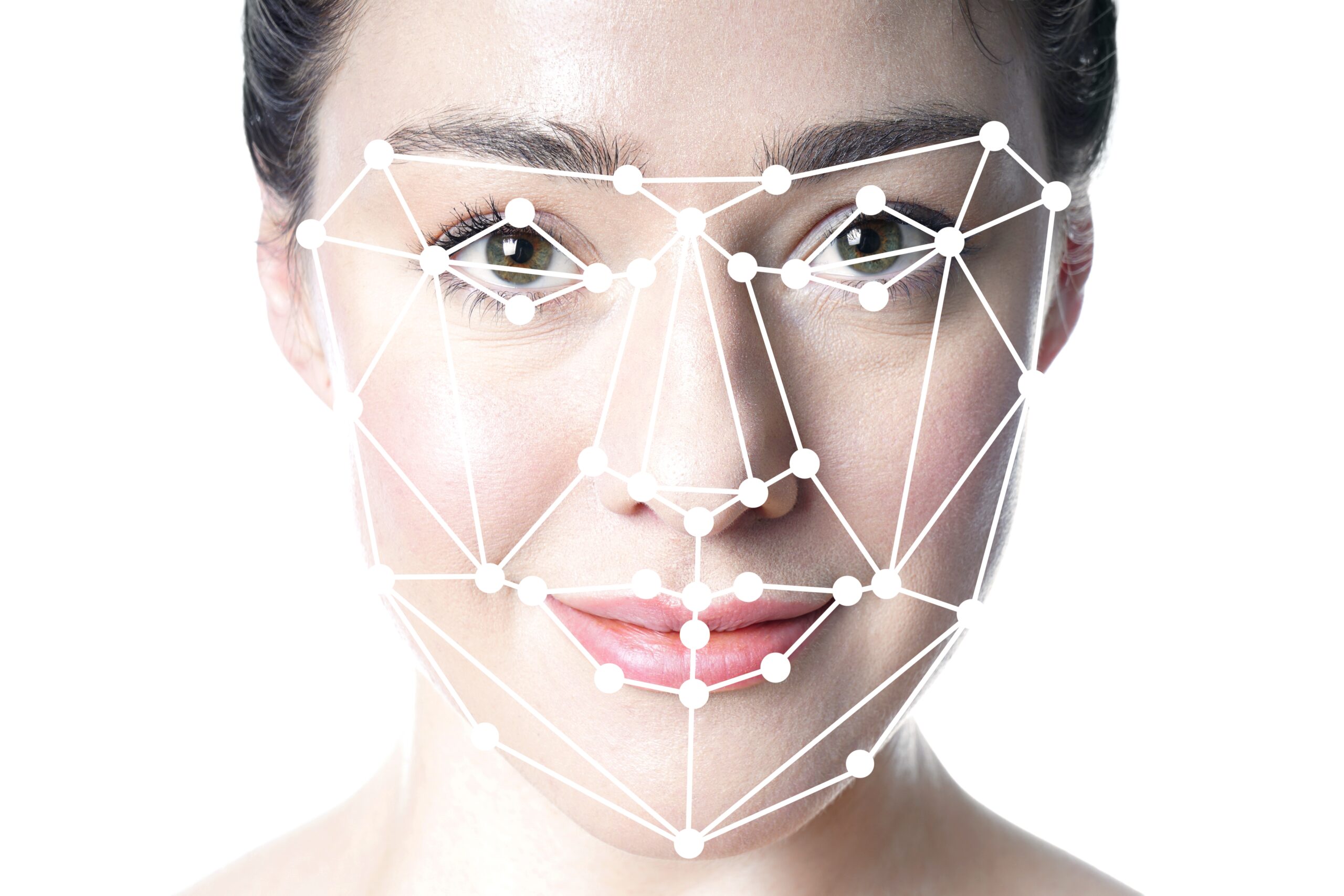
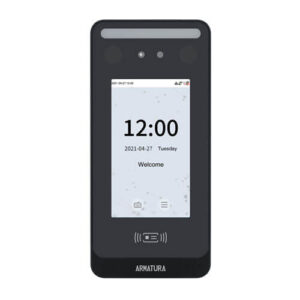
Facial recognition
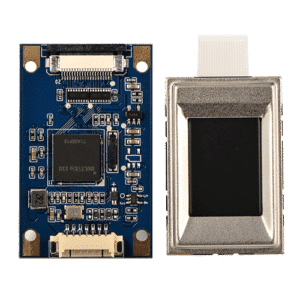
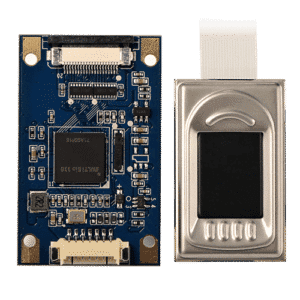
Fingerprint recognition
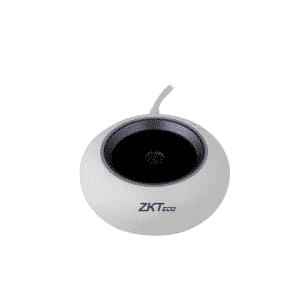
Palm recognition
Because biometric traits are unique to each person, buddy punching becomes impossible.
You cannot:
Clock in for someone else
Share credentials
Use a colleague’s identity
If you’re not there — you can’t clock in.
Addressing the Privacy Question (The Big One)
This is the question we hear most often:
The short answer: No — not in the way people think.
What Our Biometric Systems Do NOT Do
Let’s clear this up properly.
Our systems:
-
Do not store reusable photos
-
Do not keep face images like a photo album
-
Do not link to Police, Immigration, or government databases
-
Do not check traffic fines, criminal records, or anything like that (sorry!)
No photos are reused.
No images are shared.
No external systems are queried.
Your staff aren’t being “watched” or profiled.
How Biometric Data Is Actually Stored
Instead of photos, modern biometric systems store:
Encrypted mathematical templates
These templates cannot be converted back into images
They are useless outside the system
They are stored locally or securely on your own infrastructure
Think of it like a hashed password, not a photo.
Even if someone accessed the data, it cannot be used for anything else.
Why Biometrics Are Safer Than Cards or PINs
From a security and compliance perspective, biometrics are actually more privacy-friendly than traditional methods.
Cards and PINs:
Can be shared
Can be stolen
Can be used without consent
Biometrics:
Require physical presence
Cannot be transferred
Cannot be forgotten
Cannot be misused by someone else
That’s why biometrics are widely used in:
A Fairer System for Everyone
One often-overlooked benefit of biometric attendance is fairness.
When buddy punching exists:
Honest staff feel punished
Trust breaks down
Resentment builds quietly
Biometrics create:
Equal rules for everyone
Clear accountability
Fewer disputes around timesheets
Cleaner payroll processing
It removes the awkward conversations — the system simply enforces attendance fairly.
Is Biometric Time & Attendance Legal in New Zealand?
Yes — when implemented correctly.
In New Zealand:
Employers must be transparent
Data must be used only for attendance purposes
Systems must be secure
Employees must be informed
Our solutions are designed to align with:
NZ Privacy Act principles
Best-practice data minimisation
Purpose-limited usage
We help businesses implement systems properly and responsibly.
Final Thoughts
Buddy punching isn’t about bad employees.
It’s about outdated systems that make time theft easy and invisible.
Biometric time & attendance:
Eliminates buddy punching entirely
Improves payroll accuracy
Reduces disputes
Saves money
Protects privacy when implemented correctly
If your business relies on accurate time tracking, biometrics aren’t “overkill” — they’re simply modern and sensible.
FAQs
Buddy punching is when one employee clocks in or out on behalf of another, resulting in inaccurate time records.
It’s extremely common in workplaces using cards, PINs, or manual systems — often without management noticing.
No. They store encrypted mathematical templates, not reusable images.
No. Our systems are completely standalone and used only for attendance and access control.
Yes, when implemented transparently and in line with privacy regulations.