ZKTeco’s Certus Cloud Access Control Wins 2026 Secure Campus Award
Overview: ZKTeco USA’s Certus cloud access control platform has received a 2026 Secure Campus Award. We look at the capabilities recogn...

Explore the transformative role of facial recognition in New Zealand’s retail security landscape. Dive into its benefits, future prospects, and the pioneering efforts of NZTeco and ZKTeco in enhancing safety and customer experience.
Facial recognition technology is rapidly transforming the landscape of retail security in New Zealand. With the increasing threats posed by organised crime and the need for enhanced security measures, retailers are turning to innovative solutions to protect their businesses and customers.

Recent reports, such as the one from Newstalk ZB, highlight the alarming rise in retail crime. Organised crime groups are becoming more brazen, leading to a sense of impunity among criminals. This has resulted in a staggering 92% of businesses surveyed by Retail NZ being affected by crime in the past year. The financial repercussions are immense, with an estimated annual cost of NZD 2.6 billion, which inevitably impacts consumer prices.
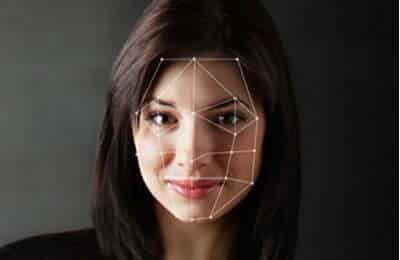
Facial recognition operates by analysing facial features to identify individuals. In the retail sector, this technology can be used to identify known criminals or suspicious individuals, thereby acting as a deterrent and enhancing security. Notably, prominent retailers like Foodstuffs North Island have already begun trialling facial recognition in their stores. This advancement is not just about security; it’s about creating a seamless shopping experience, where customers feel safe and valued.
The retail sector has always been a prime target for criminals. From shoplifting to more organised forms of crime, retailers in New Zealand have been grappling with security challenges for years. The traditional methods of security, such as CCTV cameras and security personnel, while effective to some extent, have their limitations. This is where facial recognition comes into play.
Facial recognition technology works by scanning an individual’s face and comparing it to a database of known faces. This comparison happens in real-time, allowing for instant identification. In the retail context, this can be used to identify known shoplifters or individuals with a history of disruptive behaviour.
The adoption of facial recognition in the retail sector offers numerous benefits:
By identifying known criminals or individuals with a history of disruptive behaviour, retailers can take proactive measures to prevent crime. This not only protects the store’s assets but also ensures the safety of both staff and customers.
Imagine walking into a store and being greeted by name, with personalised offers and recommendations based on your shopping history. This is the potential of facial recognition. By recognising loyal customers, retailers can offer a more personalised shopping experience, fostering loyalty and increasing sales.
Facial recognition can also be used to analyse customer traffic patterns, identify peak shopping times, and even monitor staff efficiency. This data can be invaluable for retailers, helping them optimise store layouts, staffing levels, and even marketing strategies.
ZKTeco, a global leader in biometric verification technologies, is at the forefront of the facial recognition revolution. Their advanced solutions are tailored to the unique challenges of the retail sector, offering both security and operational benefits. In New Zealand, ZKTeco’s products are distributed by NZTeco, ensuring that local retailers have access to the best in biometric verification technology.
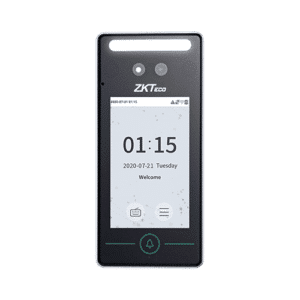
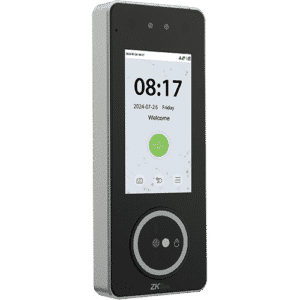
ZKTeco offers a range of facial recognition solutions tailored to the retail sector. From standalone devices to integrated systems, their products are designed to enhance security while ensuring operational efficiency. One of their flagship products is the 3D Structured Light Facial Recognition system, which offers unparalleled accuracy and speed. https://nzteco.co.nz/zkteco-products
While facial recognition offers numerous benefits, its use also raises concerns. Privacy advocates argue that the technology can be invasive, collecting data without the individual’s knowledge or consent. There are also concerns about data security, with the potential for breaches leading to the misuse of personal information.
It’s essential for retailers to strike a balance between enhancing security and respecting individual privacy rights. This means being transparent about the use of facial recognition, ensuring data security, and obtaining informed consent where necessary. ~ Original article on rnz.co.nz
As technology continues to evolve, the role of facial recognition in retail security is set to expand further. The potential applications of this technology are vast, and as it becomes more refined and accepted, its adoption rate among retailers is expected to rise.
One of the significant trends in the coming years will be the integration of facial recognition with other technologies. For instance, combining facial recognition with artificial intelligence (AI) can allow for predictive analysis, where retailers can anticipate potential security threats and take proactive measures.
Beyond security, the potential for enhancing customer experience is immense. Retailers can use facial recognition to offer personalised shopping experiences, from greeting customers by name to offering tailored promotions based on shopping history.
With the increasing adoption of facial recognition, there’s a growing need for regulation and oversight. Governments and regulatory bodies will play a crucial role in ensuring the ethical use of this technology. This includes setting guidelines on data collection, storage, and usage, ensuring that individual privacy rights are respected.
The success of facial recognition in retail largely depends on public perception and acceptance. Retailers will need to invest in educating the public about the benefits of this technology, addressing concerns, and building trust.
While the future looks promising, there are potential challenges ahead. These include technological limitations, concerns about data security, and potential misuse of the technology. Retailers will need to be proactive in addressing these challenges, ensuring that the adoption of facial recognition enhances security without compromising individual rights.
As the leading distributor of ZKTeco products in New Zealand, NZTeco will play a pivotal role in shaping the future of facial recognition in retail security. By offering advanced solutions and providing expert guidance, NZTeco will ensure that retailers can harness the full potential of this technology.
The role of facial recognition in enhancing retail security in New Zealand is undeniable. As technology continues to evolve, the potential applications of facial recognition will expand, offering both security and operational benefits. With the support of industry leaders like NZTeco and ZKTeco, the future of retail security in New Zealand looks promising.
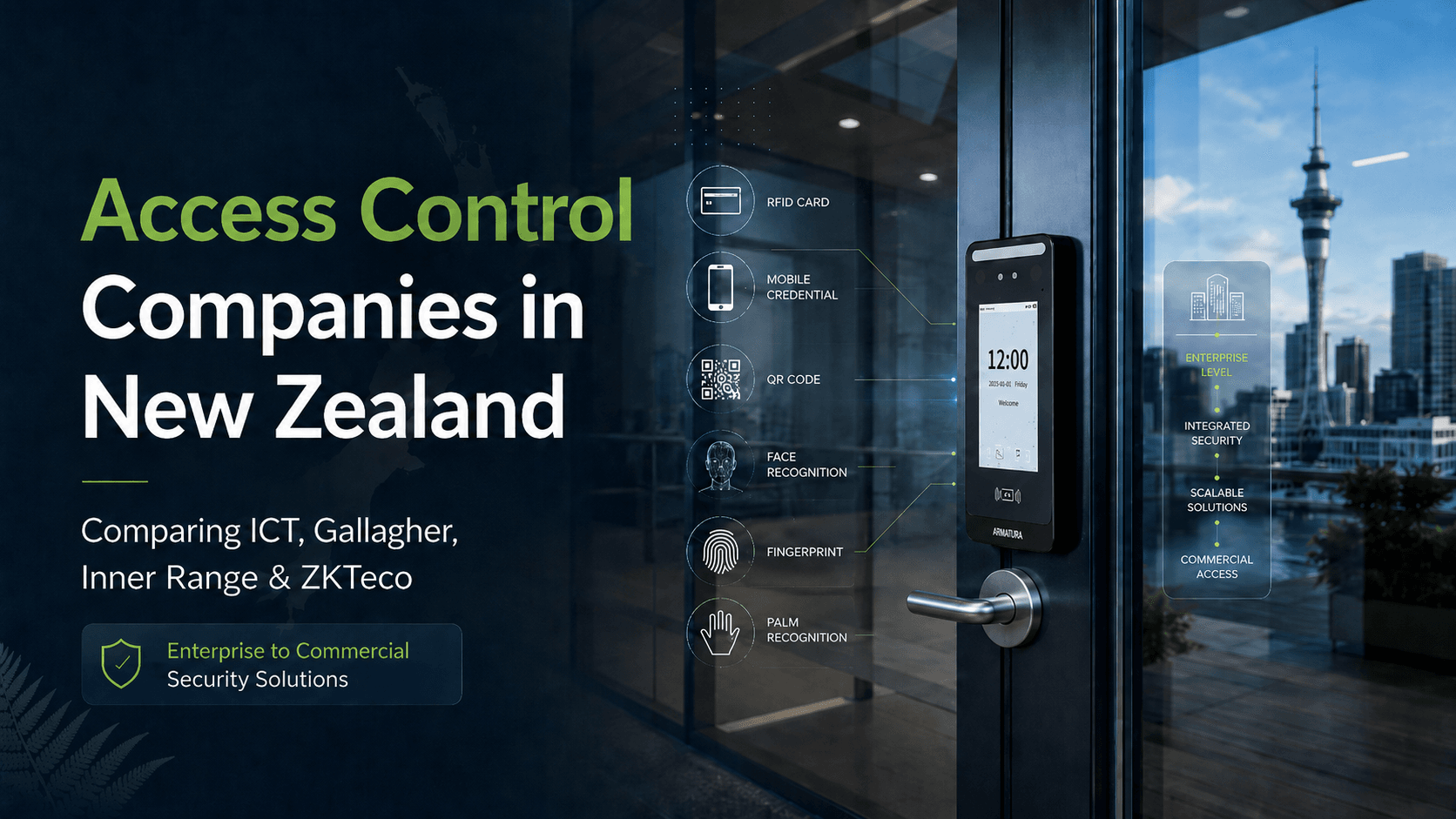
From access control, time attendance and turnstiles to CCTV, smart locks, vehicle access, digital signage and automation, NZTeco helps match the right technology to the job.
Send us the details and we’ll help you work out the best next step.





We’re a Licensed Security Company!
NZTeco Limited is officially licensed under the Private Security Personnel Licensing Authority (PSPLA).
License Number: 24-121944
License Classes: Security Technician & Security Consultant
Expiry Date: 22-11-2029
What does this mean?
It confirms that we meet the legal standards to provide professional and secure services in New Zealand, ensuring your peace of mind and trust in our solutions.
Being licensed ensures compliance with industry regulations, ethical practices, and accountability in delivering Access Control, CCTV, and other security solutions.
For more about the PSPLA and why choosing a licensed provider matters, visit the official PSPLA information page: https://www.pspla.govt.nz/ (opens in a new tab).